
Does Air Duct Cleaning Improve Indoor Air Quality?
You spend most of your time indoors. Consequently, the air you breathe inside your home directly affects your health, comfort, and overall well-being. Many homeowners wonder whether professional maintenance truly makes a difference. Specifically, does air duct cleaning improve indoor air quality? The short answer is yes. Professional duct cleaning removes accumulated contaminants that continuously circulate through your living spaces. Furthermore, it supports your HVAC system’s efficiency and longevity. In this comprehensive guide, we will explore how duct cleaning works, what contaminants it eliminates, and why it matters for families throughout Evansville, Indiana, and the surrounding Tri-State area. How Air Duct Cleaning Improves Indoor Air Quality Understanding the mechanics of duct cleaning helps homeowners appreciate its value. Your HVAC system acts as the respiratory system of your home. It pulls air through return vents, conditions it, and distributes it through supply vents. Over time, this continuous circulation deposits particles inside your ductwork. Therefore, air duct cleaning improves indoor air quality by physically removing these deposits before they re-enter your living environment. The Process of Professional Duct Cleaning Professional technicians use specialized equipment to access and clean your entire duct network. First, they inspect the system to identify problem areas. Next, they employ negative pressure systems and high-efficiency particulate air (HEPA) filtration to dislodge and capture debris. Additionally, many services include antibacterial fogging to sanitize surfaces. This multi-step approach ensures that contaminants are removed rather than simply redistributed. As a result, the air flowing through clean ducts carries significantly fewer pollutants. The Environmental Protection Agency provides detailed guidance on how ventilation systems affect indoor environments. What Gets Removed from Your Ducts Residential ductwork commonly harbors several types of contaminants. Dust and dirt accumulate naturally from daily living. Pet dander and hair cling to duct surfaces, especially in homes with furry companions. Pollen enters through open windows and doors, then settles inside vents. Moreover, mold spores thrive in humid environments, and bacteria can colonize damp duct sections. Even insect droppings and rodent debris occasionally appear in neglected systems. Because air duct cleaning improves indoor air quality, it eliminates these unwanted guests from your ventilation network. Health Benefits of Cleaner Indoor Air The connection between duct cleanliness and health is well-established. Poor indoor air quality contributes to a range of physical symptoms. For instance, many residents experience persistent headaches, fatigue, and respiratory irritation without identifying the source. Often, contaminated ductwork plays a hidden role. Thus, air duct cleaning improves indoor air quality and directly supports better health outcomes for your household. Allergy and Asthma Relief Allergens trapped in ducts trigger reactions in sensitive individuals. Dust mites, pollen, and pet dander circulate continuously when HVAC systems operate. Consequently, allergy sufferers may experience sneezing, itchy eyes, and congestion year-round. Asthma patients face heightened risks, as airborne particles can provoke bronchial inflammation. Professional duct cleaning reduces these triggers substantially. After service, many homeowners report noticeable relief from chronic symptoms. Reduction of Respiratory Irritants Beyond allergies, dirty ducts harbor irritants that affect everyone. Volatile organic compounds, or VOCs, may off-gas from accumulated debris. Fine particulate matter penetrates deep into lung tissue. Additionally, mold spores and bacteria pose infection risks, particularly for children and elderly family members. Since air duct cleaning improves indoor air quality, it minimizes exposure to these harmful substances. Your family breathes easier, sleeps better, and enjoys greater overall wellness. HVAC Efficiency and Air Quality Connection Clean ducts benefit more than just your lungs. They also enhance system performance. When ducts clog with debris, airflow restriction forces your furnace and air conditioner to work harder. This strain increases energy consumption and accelerates wear on components. Therefore, air duct cleaning improves indoor air quality while simultaneously protecting your heating and cooling investment. Energy Savings Through Better Airflow Restricted airflow creates temperature imbalances throughout your home. Some rooms feel stuffy while others remain chilly. Your thermostat detects these inconsistencies and cycles the system more frequently. Over time, this overwork translates into higher utility bills. Clean ducts restore proper airflow, allowing even distribution and reducing runtime. Homeowners often notice improved comfort and lower energy costs following professional service. Extended Equipment Lifespan HVAC systems represent significant home investments. Protecting that investment requires preventive maintenance. Dirty ducts force blowers and compressors to operate under stress. Motors overheat, bearings wear prematurely, and heat exchangers accumulate deposits. In contrast, clean ventilation supports optimal operation. Because air duct cleaning improves indoor air quality and system health, it helps avoid costly repairs and premature replacement. Signs Your Ducts Need Professional Attention Not every home requires immediate duct cleaning. However, certain indicators suggest that contaminants have reached problematic levels. Recognizing these signs early allows timely intervention. Moreover, addressing issues promptly ensures that air duct cleaning improves indoor air quality before health or system problems develop. Visible Dust and Debris Examine your vent covers and surrounding walls. Thick dust accumulation signals excessive particulate matter inside ducts. Similarly, debris blowing from vents when the system activates indicates significant buildup. If you find yourself dusting furniture more frequently than usual, your ducts may be the culprit. Persistent Odors Unpleasant smells that linger despite regular cleaning suggest biological contamination. Musty odors often indicate mold growth inside damp duct sections. Pet odors, cooking smells, or stale air that refuses to dissipate may also originate from contaminated ductwork. Since air duct cleaning improves indoor air quality, it eliminates these odor sources at their origin. Recent Renovations or Water Damage Construction projects generate extraordinary amounts of dust and debris. Even with precautions, particles infiltrate duct systems. Similarly, water damage from leaks or flooding creates ideal conditions for mold colonization. If your home has experienced either situation recently, professional duct evaluation is strongly recommended. How Often Should You Schedule Duct Cleaning? Frequency depends on several household factors. The National Air Duct Cleaners Association suggests cleaning every three to five years for typical homes. However, certain conditions warrant more frequent service. Homes with pets, smokers, or allergy sufferers benefit from shorter intervals. Additionally, residences near construction sites or high-pollen areas may require annual
Is Dryer Vent Cleaning Required for Commercial Laundries? Essential Safety & Compliance Guide for Central Florida Businesses
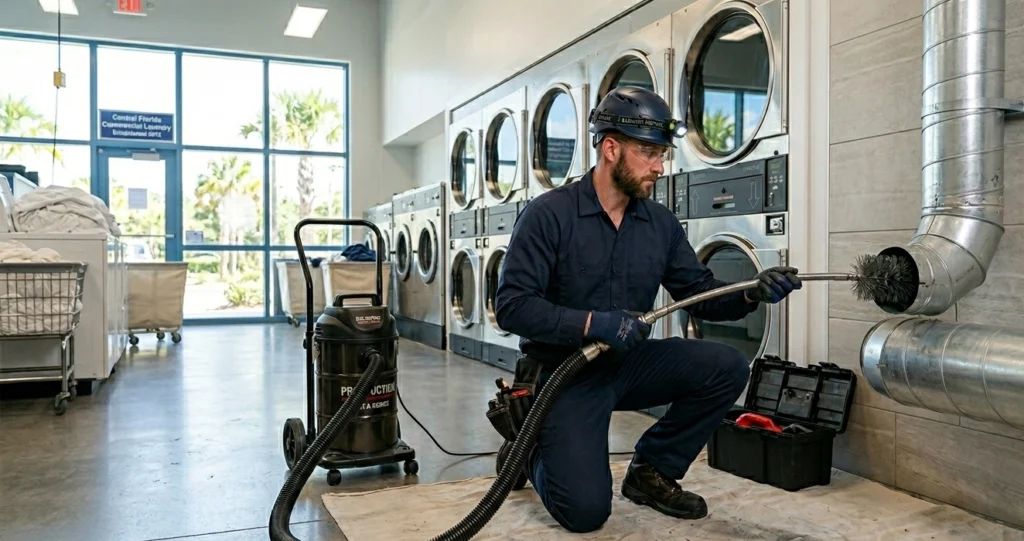
Running a commercial laundry facility in Central Florida means managing high-volume operations day after day. With the region’s humid subtropical climate and heavy laundry demands from hospitality, healthcare, and multi-family housing sectors, one critical question emerges for facility managers and business owners: Is dryer vent cleaning required for commercial laundries? The short answer is yes, and the reasons extend far beyond simple maintenance. Regular commercial dryer vent cleaning is not merely a recommendation; it is an essential practice for fire safety, operational efficiency, code compliance, and long-term equipment protection. In this comprehensive guide, we will explore why commercial laundry vent cleaning matters, what regulations apply, how often service is needed, and how K&M Solutions supports businesses throughout Central Florida with professional, reliable dryer exhaust maintenance. Why Dryer Vent Cleaning Is Critical for Commercial Laundries Commercial laundries process significantly more loads than residential settings. Consequently, lint and debris accumulate at accelerated rates inside vent ducts, transition hoses, and exhaust terminals. This buildup creates serious risks that routine cleaning effectively mitigates. Fire Prevention and Safety Compliance Lint is highly combustible. When it collects inside dryer vents, the combination of restricted airflow and elevated temperatures creates an ideal environment for ignition. The National Fire Protection Association identifies clothes dryers as a leading cause of structure fires in commercial properties. Furthermore, Florida building codes and fire safety standards require proper ventilation maintenance in commercial occupancies. Therefore, scheduling professional commercial dryer vent cleaning is not optional; it is a proactive measure that protects employees, customers, and property assets. Operational Efficiency and Energy Savings Clogged vents force dryers to work harder. As airflow becomes restricted, drying cycles extend, energy consumption rises, and utility bills increase. In Central Florida, where summer heat already strains HVAC and electrical systems, inefficient dryers add unnecessary load. Clean vents restore optimal airflow, reduce cycle times, and help facilities control operating costs. Moreover, improved efficiency supports sustainability goals, which many Central Florida businesses now prioritize. Equipment Longevity and Reduced Downtime Excess heat and strain shorten dryer lifespan. Motors, heating elements, and belts degrade faster when vents are obstructed. For commercial laundries, unexpected equipment failure means disrupted service and expensive emergency repairs. Regular dryer vent maintenance extends appliance life, minimizes downtime, and preserves capital investment. Additionally, well-maintained equipment maintains warranty coverage, since manufacturers often require documented upkeep. Indoor Air Quality and Mold Prevention Central Florida’s humidity complicates vent maintenance. Moisture trapped in lint buildup promotes mold and mildew growth inside ducts. Over time, these contaminants circulate into laundry areas and adjacent spaces. Professional cleaning removes moisture-laden debris and includes non-toxic sanitation options that keep air fresh and healthy. This benefit is especially important for healthcare laundries, hotels, and senior living facilities where air quality standards are stringent. Regulatory Requirements and Industry Standards for Commercial Laundry Vent Cleaning Understanding whether dryer vent cleaning is required involves reviewing applicable codes, insurance conditions, and industry best practices. Building and Fire Codes The International Mechanical Code and Florida Building Code mandate that commercial dryer exhaust systems be maintained to prevent fire hazards and ensure proper ventilation. Inspectors routinely examine vents during annual fire safety inspections. Noncompliance can result in fines, operational shutdowns, or increased insurance premiums. Consequently, facility managers should treat vent cleaning as a compliance obligation rather than a discretionary task. Insurance and Liability Considerations Commercial property insurers increasingly require documented maintenance of fire-risk systems. If a fire originates from a neglected dryer vent, claims may be denied due to lack of upkeep. Maintaining service records from a licensed provider like K&M Solutions demonstrates due diligence and supports coverage validity. Furthermore, liability exposure decreases when businesses proactively address known fire risks. OSHA and Workplace Safety Although OSHA does not prescribe specific dryer vent cleaning intervals, its general duty clause requires employers to maintain a workplace free from recognized hazards. Since lint buildup is a known fire risk, regular cleaning aligns with OSHA expectations. Additionally, clean vents reduce ambient heat in laundry rooms, improving working conditions for staff. How Often Should Commercial Laundries Schedule Dryer Vent Cleaning? Frequency depends on usage volume, dryer type, and vent configuration. However, general guidelines help Central Florida businesses plan appropriately. High-Volume Facilities Hotels, hospitals, and industrial laundries operating multiple shifts daily typically require quarterly or semi-annual cleaning. The sheer volume of lint generated in these settings demands frequent attention. Additionally, longer vent runs with multiple bends accumulate debris faster and need more regular service. Medium-Volume Operations Apartment complex laundry rooms, spas, and mid-sized hospitality facilities often benefit from bi-annual cleaning. This schedule balances cost with risk management. Moreover, seasonal changes in Central Florida, such as increased pollen and humidity during summer months, can accelerate buildup. Low-Volume or Seasonal Businesses Smaller commercial laundries, campgrounds, or vacation rental operations may schedule annual deep cleaning with interim inspections. Even modest usage produces lint over time, so skipping maintenance entirely is inadvisable. K&M Solutions offers flexible service plans tailored to each client’s specific workload and facility layout. Signs Your Commercial Laundry Vents Need Immediate Cleaning Facility managers should watch for indicators that vents are overdue for service. Recognizing these signs early prevents emergencies and costly interruptions. Extended Drying Cycles When towels, linens, or uniforms take noticeably longer to dry, restricted airflow is the likely culprit. This symptom develops gradually, so staff may adapt without recognizing the underlying problem. Monitoring cycle times provides an early warning system. Excessive Heat in Laundry Areas Laundry rooms that feel unusually hot signal poor exhaust performance. Heat that should exit through vents instead radiates into workspaces. This condition strains cooling systems and creates uncomfortable, potentially unsafe conditions for employees. Burning Odors or Visible Lint Any smell of burning near dryers demands immediate attention. Likewise, lint visible around vent terminals, transition hoses, or indoor connections indicates significant accumulation. These are urgent signs that professional service is needed without delay. Increased Energy Bills Sudden spikes in electricity costs often trace back to inefficient appliances. When multiple dryers run longer to achieve the same results, energy waste compounds quickly. Comparing utility trends
Can a Dirty Chimney Cause a House Fire? Understanding the Risks for Central Florida Homeowners
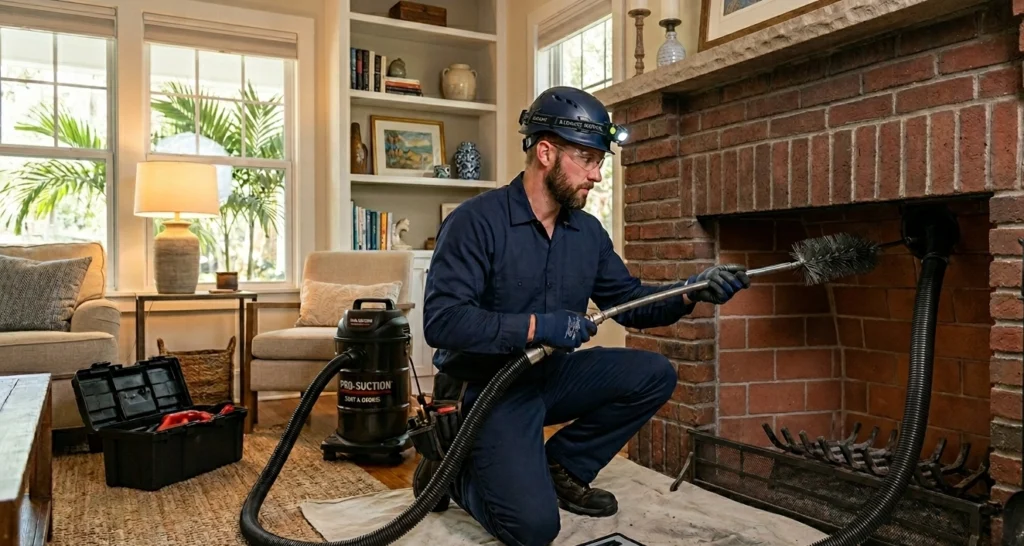
Every year, thousands of homeowners across the United States face a devastating question: can a dirty chimney cause a house fire? The short answer is yes; and in Central Florida, where many residents enjoy cozy fireplace evenings during cooler months, this risk is more common than most people realize. A neglected chimney filled with soot, creosote, and debris becomes a serious fire hazard that threatens not only your property but also the safety of your family. At K&M Solutions, we specialize in chimney cleaning and maintenance services throughout Central Florida. Furthermore, we understand the unique challenges that Florida’s humid climate and seasonal temperature shifts create for chimney systems. In this comprehensive guide, we will explain exactly how a dirty chimney leads to house fires, identify the warning signs you should never ignore, and outline the professional solutions available to protect your home. Why Chimney Maintenance Matters in Central Florida Many Central Florida homeowners mistakenly believe that chimneys require less attention in warmer climates. After all, you might only use your fireplace a few months each year. However, this assumption is dangerous. Even limited fireplace use produces creosote; a highly flammable byproduct of burning wood. Consequently, this sticky, tar-like substance accumulates on your chimney liner over time. If left unchecked, it becomes the primary fuel source for catastrophic chimney fires. In addition to creosote, Central Florida’s environment introduces specific risks. For example, high humidity levels promote moisture retention inside unused chimneys. This moisture combines with soot to create acidic compounds that deteriorate masonry and metal components. As a result, structural weaknesses develop, allowing heat and sparks to escape into surrounding walls or roofing materials. Therefore, regular maintenance is essential regardless of how frequently you use your fireplace. Moreover, Florida’s frequent thunderstorms and hurricane seasons drive debris into uncapped chimneys. Leaves, twigs, and even small animal nests can obstruct airflow. When airflow is restricted, smoke and toxic gases, including carbon monoxide, back up into your living spaces. Simultaneously, these blockages can ignite when exposed to high temperatures. Thus, the question “can a dirty chimney cause a house fire?” becomes particularly relevant for Florida residents who must contend with both internal buildup and external environmental factors. How a Dirty Chimney Creates Fire Hazards Understanding the mechanics of chimney fires helps homeowners appreciate the seriousness of regular cleaning. When wood burns, it releases unburned hydrocarbons that rise with hot gases. These gases cool as they ascend the chimney, causing the hydrocarbons to condense into creosote. Over time, layers of this combustible material coat the interior walls. The Creosote Combustion Risk Creosote is not merely dirty; it is literally fuel waiting for ignition. All it takes is a single spark or sufficiently high internal temperature to set it ablaze. Once ignited, creosote burns at extremely high temperatures. In fact, chimney fires can reach temperatures exceeding 2,000 degrees Fahrenheit. These intense flames can crack chimney liners, damage masonry, and allow fire to spread directly into the wooden framework of your house. Furthermore, not all creosote is visible from the fireplace opening. Many homeowners look up their chimney, see minimal soot, and assume everything is fine. Unfortunately, dangerous buildup often occurs higher up in the flue where inspection is difficult without professional equipment. Because of this, the answer to “can a dirty chimney cause a house fire?” is absolutely affirmative, even when the danger is not immediately apparent. Structural Damage and Heat Transfer Beyond the direct ignition of creosote, a dirty chimney causes structural degradation that indirectly leads to house fires. Soot and moisture mixtures corrode metal liners and weaken mortar joints. When the chimney’s protective barrier fails, excessive heat transfers to adjacent combustible materials. Wooden studs, drywall, and insulation near the chimney can undergo pyrolysis; a chemical decomposition that lowers their ignition temperature over time. Eventually, these materials can catch fire without ever contacting an open flame. Additionally, cracks in the chimney crown or deteriorated flashing allow water intrusion. Water damage accelerates the breakdown of fire-resistant materials while also creating pathways for sparks to exit the chimney structure. Therefore, maintaining a clean chimney is fundamentally about preserving the entire system’s integrity, not just removing visible dirt. Warning Signs Your Chimney Poses a Fire Risk Recognizing early indicators of chimney danger allows you to take action before disaster strikes. While some signs are obvious, others require attentive observation. Visible Soot and Creosote Accumulation If you notice thick, black buildup around your fireplace opening or damper, your chimney likely needs immediate attention. Similarly, shiny, tar-like deposits indicate glazed creosote; the most dangerous and difficult-to-remove form. This glazed layer is highly concentrated and ignites easily, making professional chimney cleaning services essential. Unusual Odors and Poor Draft A well-functioning chimney should draw smoke efficiently upward. Conversely, if you experience smoke backing up into your room, or if you detect strong, acrid odors even when the fireplace is not in use, airflow obstruction is likely present. These odors often signal excessive creosote deposits or animal nesting materials. Both conditions significantly increase fire risk. Damaged Chimney Components Inspect your chimney exterior periodically. Cracked bricks, missing mortar, or damaged chimney caps suggest underlying problems. In addition, rust on the damper or firebox indicates moisture issues that compound fire dangers. If you observe any of these conditions, contact K&M Solutions promptly for a professional evaluation. Previous Chimney Fire Indicators Some homeowners experience small chimney fires without realizing it. Signs of a past event include puffy, honeycombed creosote residue, discolored or distorted chimney caps, and cracked exterior masonry. Even if the fire self-extinguished, structural damage may remain. Consequently, any suspicion of a previous chimney fire warrants immediate professional inspection. The Central Florida Chimney Cleaning Process Professional chimney maintenance involves far more than simple sweeping. At K&M Solutions, our comprehensive approach ensures your entire system operates safely and efficiently. Thorough Inspection Every service begins with a detailed inspection. Our technicians examine the fireplace, damper, flue liner, smoke chamber, and exterior structure. We utilize specialized cameras to inspect internal surfaces that are otherwise inaccessible. This process
What Is Creosote and Why Is It Dangerous?
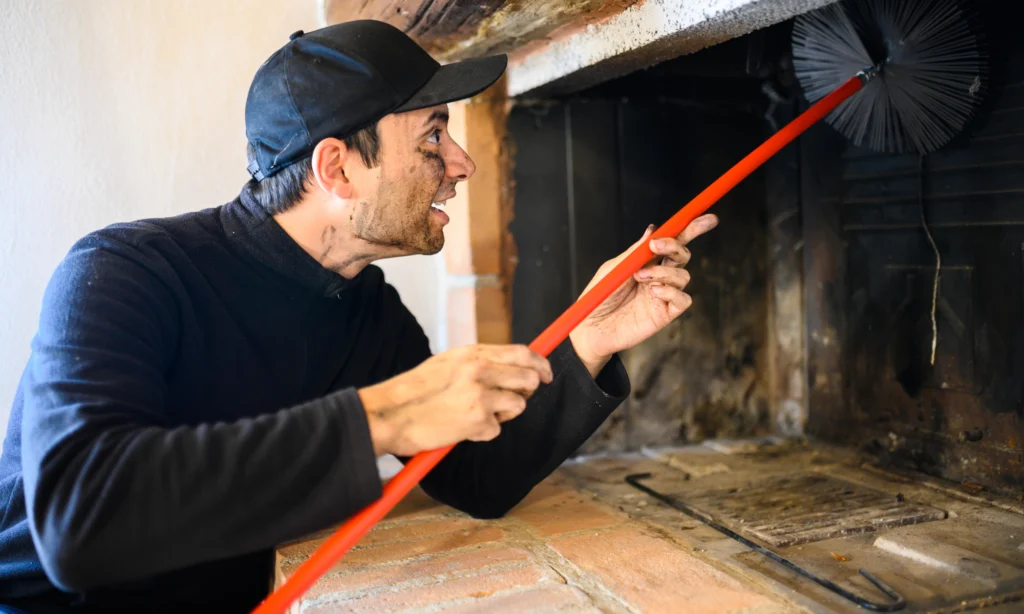
Every cozy evening spent by the fireplace creates more than just warm memories. Additionally, it produces a hidden threat that accumulates silently within your chimney system. What is creosote and why is it dangerous? This question matters deeply for Evansville homeowners who enjoy wood-burning fires during Indiana’s cold months. At K&M Solutions, we regularly encounter this hazardous substance during chimney cleaning appointments throughout the Tri-State area. Understanding creosote begins with recognizing its origins. When wood burns, it releases smoke containing hundreds of chemical compounds. Furthermore, as this smoke rises through your cooler chimney flue, condensation occurs. The resulting residue sticks to interior walls and gradually builds up. Consequently, this creates a compound that threatens both property and personal safety. According to the National Fire Protection Association, chimney fires cause hundreds of millions of dollars in property damage annually across the United States. This comprehensive guide explains everything Evansville residents need to know about creosote formation, its dangers, and professional prevention strategies. Moreover, we will explore how regular maintenance protects your investment while ensuring family safety throughout the heating season. What Is Creosote? Understanding the Chemistry Behind the Danger Creosote represents a complex mixture of chemicals that forms during incomplete wood combustion. Specifically, it contains tar, soot, and various hydrocarbons that condense on chimney surfaces. The substance ranges in appearance from flaky black soot to hard, glossy black deposits. Furthermore, its consistency changes based on burning conditions and fuel types used. The formation process begins when burning wood releases volatile gases. These gases rise through the chimney while carrying unburned carbon particles. Additionally, as temperatures drop within the flue, these particles cool and adhere to interior surfaces. Over time, layer upon layer accumulates, creating a substantial buildup. Three distinct stages of creosote development exist, each presenting unique challenges. First-stage creosote appears as flaky, soot-like material that brushes away relatively easily. Second-stage creosote transforms into crunchy, tar-like flakes requiring more aggressive removal techniques. Third-stage creosote becomes a hardened, glossy glaze that adheres stubbornly to chimney walls. Moreover, this final stage presents the greatest fire risk due to its concentrated fuel properties. The chemical composition makes creosote particularly problematic. It contains phenols, cresols, and polycyclic aromatic hydrocarbons. Furthermore, these compounds become increasingly concentrated as buildup progresses. Consequently, the material becomes more flammable and more difficult to remove safely. Why Is Creosote Dangerous? The Multiple Threats to Your Home and Health Understanding what is creosote and why is it dangerous requires examining several risk categories. First and foremost, fire hazard represents the most immediate threat. Creosote is highly flammable, igniting at approximately 451 degrees Fahrenheit. Furthermore, chimney fires burn intensely, reaching temperatures exceeding 2,000 degrees. Consequently, these fires can crack chimney liners, damage masonry, and spread to surrounding structures. The structural damage potential extends beyond the chimney itself. Intense heat can transfer to wall studs, roofing materials, and attic spaces. Additionally, the rapid temperature changes cause thermal shock to brick and mortar. Therefore, even contained fires often create expensive repair needs. Moreover, many chimney fires go undetected initially, causing hidden damage that compromises future safety. The Chimney Safety Institute of America emphasizes that most chimney fires occur without homeowners even realizing the event happened. Health risks accompany the fire hazards. Creosote contains carcinogenic compounds that pose risks during direct contact. Furthermore, incomplete combustion associated with creosote buildup can release carbon monoxide into living spaces. Consequently, families may experience headaches, dizziness, or more severe symptoms without realizing the source. Additionally, the acidic nature of creosote accelerates masonry deterioration, potentially leading to structural failures. Evansville’s climate exacerbates these dangers. The Ohio River Valley’s humidity interacts with creosote deposits, accelerating corrosion of metal components. Furthermore, freeze-thaw cycles during winter months stress already compromised masonry. Therefore, local homeowners face heightened maintenance requirements compared to drier regions. How Creosote Forms: Factors That Accelerate Buildup in Evansville Homes Several conditions increase creosote accumulation rates. First, burning unseasoned or wet wood creates excessive smoke and incomplete combustion. Furthermore, restricted airflow from closing dampers too early prevents complete burning. Consequently, these practices dramatically increase residue deposits. The type of wood burned significantly impacts creosote formation. Softwoods like pine contain more resin, producing higher volatile content. Additionally, improper wood storage in humid Evansville conditions increases moisture content. Therefore, even technically “seasoned” wood may burn inefficiently if stored improperly. The Environmental Protection Agency provides detailed guidelines on proper wood burning techniques that minimize creosote formation while maximizing heating efficiency. Chimney design and installation affect condensation patterns. Exterior chimneys exposed to cold air cool flue gases rapidly. Furthermore, oversized flues for the connected appliance create slower draft speeds. Consequently, smoke remains in the chimney longer, allowing more extensive condensation. Burning practices matter tremendously. Smoldering fires produce more creosote than hot, active flames. Additionally, overnight burning with restricted air creates perfect conditions for heavy buildup. Therefore, operational habits directly impact maintenance frequency requirements. Recognizing Creosote Buildup: Warning Signs Evansville Homeowners Should Notice Visual inspection reveals obvious indicators of creosote problems. First, look for black, tar-like deposits around the firebox or damper area. Furthermore, excessive soot accumulation on fireplace walls suggests poor draft conditions. Consequently, these visible signs indicate deeper problems within the flue system. Performance changes signal developing issues. Reduced draft strength makes fires harder to start and keep burning. Additionally, smoke entering the room during fireplace operation indicates blockage or restriction. Therefore, operational difficulties often precede visible creosote indicators. Odor detection provides another warning system. Strong, smoky smells during humid weather suggest creosote absorption of moisture. Furthermore, acrid or chemical odors indicate advanced buildup stages. Consequently, unusual smells warrant immediate professional evaluation. External chimney observations matter too. Discolored or stained chimney exteriors suggest internal problems. Additionally, damaged or missing chimney caps allow animal entry, creating blockages that worsen conditions. Therefore, comprehensive visual assessments protect against overlooked dangers. Professional Creosote Removal: Why DIY Methods Fall Short Many homeowners attempt creosote removal using retail products or basic tools. However, these approaches rarely address the full problem. First, chemical cleaners provide limited effectiveness against third-stage glaze. Furthermore,
Signs Your Home Needs Air Duct Cleaning As Soon As Possible
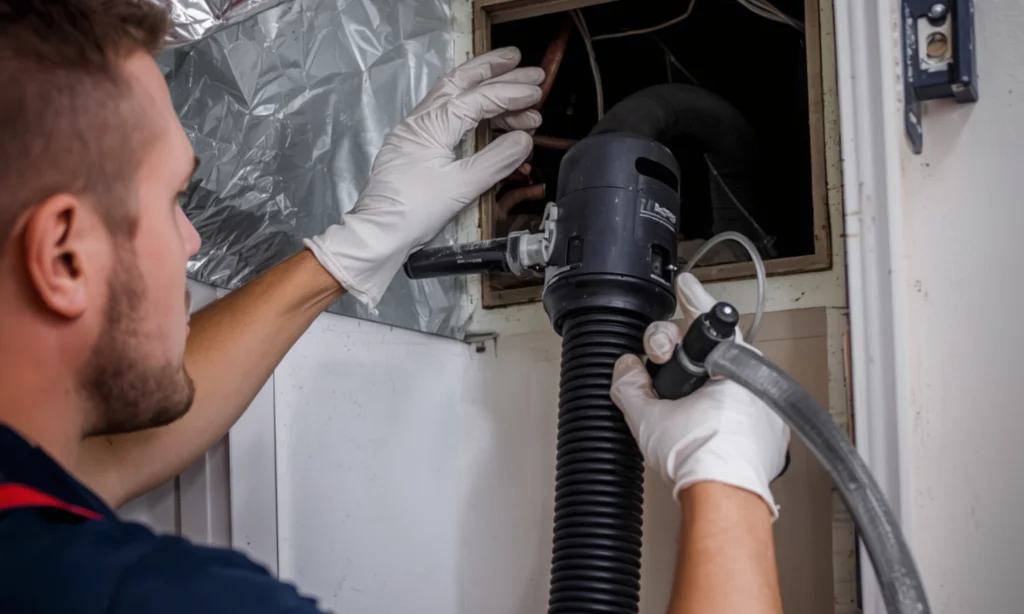
Introduction Your home’s air duct system works silently behind the scenes; however, it plays a crucial role in maintaining your family’s comfort and well-being. Many Evansville homeowners overlook their ductwork until problems become impossible to ignore. Consequently, recognizing the signs your home needs air duct cleaning as soon as possible can save you from costly repairs and protect your loved ones from health hazards. Indoor air quality significantly impacts your daily life. According to the U.S. Environmental Protection Agency, indoor pollutant levels can be two to five times higher than outdoor concentrations. Furthermore, your HVAC system circulates air throughout your home multiple times daily. Therefore, contaminated ductwork continuously spreads dust, allergens, and potentially harmful particles into every room. In this comprehensive guide, we will explore the warning signals that indicate immediate professional attention is necessary. Additionally, we will discuss health implications, efficiency concerns, and why Evansville residents trust K&M Solutions for their air duct cleaning needs. Whether you are experiencing unexplained allergies or noticing unusual odors, this article will help you determine when to take action. Visible Warning Signs Your Home Needs Air Duct Cleaning As Soon As Possible Dust Accumulation Around Vents and Registers One of the most obvious indicators involves excessive dust buildup around your vent covers and registers. If you notice thick layers of dust collecting shortly after cleaning, your ductwork likely contains substantial debris. Moreover, when your HVAC system activates, it forces these particles into your living spaces. Check your return air registers specifically. These areas naturally attract dust; however, excessive accumulation suggests deeper contamination within the duct system itself. Similarly, supply vents should remain relatively clean between regular housekeeping. Therefore, dusty vents throughout your home signal that professional cleaning is overdue. Mold Growth and Musty Odors Mold presents one of the most serious signs your home needs air duct cleaning as soon as possible. The EPA specifically recommends duct cleaning when substantial visible mold growth appears inside hard surface ducts or on HVAC components. Mold thrives in dark, moist environments; consequently, your ductwork provides ideal conditions for spore proliferation. You might detect mold through musty odors emanating from vents when your system runs. Additionally, visible black, green, or white patches around vent openings indicate potential infestations inside the ducts. Furthermore, persistent humidity issues in Evansville’s climate can accelerate mold growth throughout your ventilation system. If you suspect mold, do not attempt DIY removal. Instead, professional technicians can safely eliminate contamination and recommend moisture control solutions. For comprehensive mold prevention, consider K&M Solutions’ HVAC services that address underlying humidity problems. Pest Infestations and Droppings Discovering evidence of rodents or insects within your ductwork demands immediate professional intervention. The EPA identifies vermin infestation as a primary reason to consider air duct cleaning. Rodents, insects, and even birds can enter through disconnected sections or small openings in your ductwork. Warning signs include scratching sounds within walls, droppings near vents, or unusual odors suggesting deceased animals. Additionally, you might notice nesting materials protruding from register openings. These contaminants pose serious health risks because they spread bacteria, allergens, and disease-causing organisms throughout your home. Professional cleaning removes these hazards and includes sealing entry points to prevent future intrusions. Therefore, if you suspect pest activity, schedule an inspection immediately to protect your family’s health. Health-Related Signs Your Home Needs Air Duct Cleaning As Soon As Possible Unexplained Respiratory Symptoms Your family’s health provides crucial clues about indoor air quality. If household members experience persistent coughing, sneezing, wheezing, or difficulty breathing, contaminated ductwork might be the culprit. Research indicates that poor indoor air quality can exacerbate asthma, trigger allergic reactions, and contribute to chronic respiratory conditions. Pay attention to symptom patterns. For instance, if family members feel better when away from home but symptoms return upon entering, your indoor environment likely contains irritants. Similarly, increased asthma attacks or allergy flare-ups during HVAC operation suggest airborne contaminants circulating through dirty ducts. Children, elderly individuals, and those with compromised immune systems face heightened risks from polluted indoor air. Consequently, addressing these signs your home needs air duct cleaning as soon as possible protects your most vulnerable family members. Persistent Fatigue and Headaches Poor indoor air quality affects more than just respiratory health. Many Evansville residents report unexplained fatigue, frequent headaches, and difficulty concentrating when ductwork contamination reaches problematic levels. These symptoms occur because your body works overtime filtering pollutants, leading to overall exhaustion. Volatile organic compounds, mold toxins, and excessive carbon dioxide from poor ventilation can create brain fog and dizziness. Furthermore, your immune system expends energy fighting airborne bacteria and allergens, leaving you feeling drained. If you notice these symptoms improving when you spend time outdoors, your home’s air quality requires immediate attention. Skin Irritations and Allergic Reactions Contaminated ductwork can trigger skin conditions including eczema, rashes, and hives. Mold spores, dust mites, and chemical pollutants circulating through your HVAC system may cause dermatological reactions upon contact or inhalation. Additionally, some individuals experience itchy eyes, runny noses, and sinus congestion without realizing their ventilation system is the source. Monitor whether these symptoms worsen during sleep or when the HVAC system runs continuously. These patterns often indicate that signs your home needs air duct cleaning as soon as possible include dermatological and allergic responses to airborne contaminants. Performance-Related Indicators Inconsistent Airflow and Temperature Variations When certain rooms feel stuffy while others remain comfortable, restricted airflow through contaminated ducts might be responsible. Dust and debris accumulation creates blockages that prevent proper air distribution. Consequently, your HVAC system struggles to maintain consistent temperatures throughout your home. You might notice weak airflow from specific vents or rooms that never reach the thermostat setting. Additionally, some areas may feel excessively humid while others remain dry. These inconsistencies indicate that obstructions within your ductwork require professional removal. K&M Solutions offers both basic and deep cleaning services to address varying levels of contamination. Their thorough approach ensures restored airflow and balanced comfort throughout your Evansville home. Unusual Noises from Your HVAC System Strange sounds emanating from your ductwork often
What Are the Dangers of Ignoring Dryer Vent Maintenance?
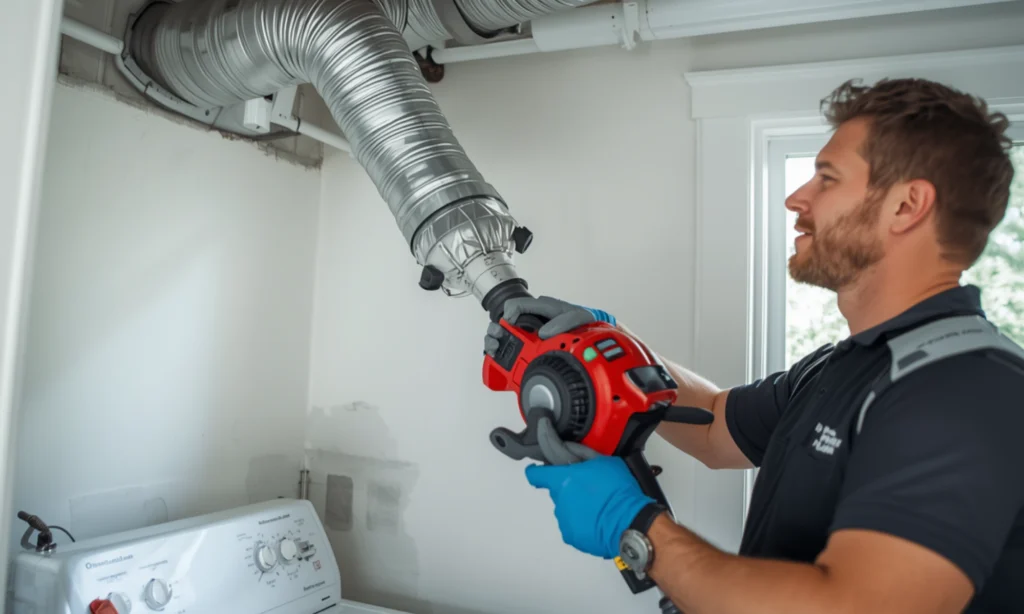
Every year, thousands of homeowners face devastating consequences because they simply did not understand what are the dangers of ignoring dryer vent maintenance. The U.S. Fire Administration reports that fire departments respond to an estimated 2,900 clothes dryer fires in residential buildings annually. Consequently, many families in Evansville and across the nation experience preventable house fires, skyrocketing energy bills, and serious health complications. Moreover, the lint that quietly accumulates in your dryer vent system poses risks that extend far beyond inconvenience. Therefore, understanding these hazards is essential for protecting your property, your loved ones, and your wallet. In this comprehensive guide, we will explore the critical risks associated with neglected dryer vents. Additionally, we will explain why regular maintenance matters and how professional services can safeguard your home. Furthermore, you will discover actionable steps to maintain a safe and efficient laundry system. By the end of this article, you will understand exactly why addressing dryer vent maintenance should be a top priority for every Evansville homeowner. What Are the Dangers of Ignoring Dryer Vent Maintenance? Understanding the Fire Hazard The most alarming danger of neglected dryer vents involves fire risk. In fact, the National Fire Protection Association identifies failure to clean as the leading cause of home clothes dryer fires. As a result, understanding this threat becomes paramount for household safety. How Lint Becomes a Fire Starter Lint accumulation creates the perfect fuel source for fires. Specifically, this highly flammable material builds up within vent ducts over time. Meanwhile, the heat generated by your dryer creates an ignition source. Eventually, when temperatures rise sufficiently, the lint can ignite and spread flames rapidly throughout your home. Furthermore, many homeowners mistakenly believe that cleaning the lint trap after each load provides adequate protection. However, this assumption proves dangerously incorrect. In reality, significant amounts of lint bypass the trap and collect within the vent system itself. Therefore, professional cleaning becomes necessary to remove these hidden deposits. The Statistics Behind Dryer Fires NFPA research shows that 92% of home fires involving washing machines and dryers actually involve clothes dryers specifically. Additionally, dust, fiber, and lint were the leading items first ignited in clothes dryer fires. Similarly, injuries and fatalities occur when fires spread quickly through homes with blocked ventilation systems. For Evansville residents, these statistics carry particular relevance. Specifically, older homes in our region often feature longer vent runs or outdated ductwork configurations. Consequently, these systems accumulate lint more rapidly and present elevated fire risks. Learn more about our professional dryer vent cleaning services to protect your home. What Are the Dangers of Ignoring Dryer Vent Maintenance? Energy Efficiency and Cost Consequences Beyond safety concerns, neglected dryer vents significantly impact your household budget. Specifically, restricted airflow forces your appliance to work harder and longer to dry clothes. As a result, energy consumption increases substantially. The Hidden Cost of Poor Airflow When vents become clogged with lint and debris, your dryer cannot expel moist air efficiently. Therefore, drying cycles extend from thirty minutes to sixty minutes or longer. Meanwhile, the heating element runs continuously during these extended cycles. Consequently, your electricity or gas usage climbs dramatically. Moreover, this inefficiency affects Evansville homeowners throughout all seasons. During hot Indiana summers, overworked dryers contribute additional heat to your home. As a result, your air conditioning system must work harder to maintain comfortable temperatures. Similarly, winter months see increased heating costs when appliances generate unnecessary thermal load. Calculating the Financial Impact While exact savings vary by household, research indicates that clean dryer vents can reduce drying times by up to fifty percent. Additionally, improved efficiency extends your dryer’s operational lifespan. Therefore, regular maintenance represents a sound financial investment rather than an expense. Furthermore, professional cleaning services from K&M Solutions LLC include thorough inspections that identify potential issues before they become costly repairs. Contact us today for a free estimate on dryer vent maintenance. What Are the Dangers of Ignoring Dryer Vent Maintenance? Appliance Damage and Replacement Costs Your dryer represents a significant household investment. However, neglected vent maintenance accelerates wear and tear dramatically. Consequently, premature appliance failure becomes increasingly likely. How Overheating Destroys Components Restricted airflow causes internal temperatures to rise beyond manufacturer specifications. As a result, heating elements, thermostats, and motors experience excessive thermal stress. Eventually, these components fail and require expensive repairs or complete replacement. Additionally, modern dryers feature sophisticated electronic controls and sensors. Unfortunately, these sensitive components are particularly vulnerable to heat damage. Therefore, a simple vent blockage can destroy expensive control boards and display panels. Extending Appliance Lifespan Through Maintenance Regular professional cleaning removes the root cause of overheating issues. Furthermore, technicians can identify worn components during maintenance visits. As a result, minor repairs prevent major failures and extend your dryer’s useful life significantly. For Evansville homeowners, this protection proves especially valuable. Specifically, our region’s humidity levels can accelerate lint compaction within vent systems. Therefore, local residents benefit from more frequent professional attention. Explore our comprehensive HVAC maintenance services to protect all your home systems. What Are the Dangers of Ignoring Dryer Vent Maintenance? Health and Indoor Air Quality Concerns The risks of neglected dryer vents extend beyond property damage and financial costs. Specifically, your family’s health may suffer when ventilation systems become compromised. Mold and Mildew Growth Blocked dryer vents trap moisture within the ductwork and laundry area. Consequently, humid environments promote mold and mildew proliferation. Furthermore, spores can circulate throughout your home via the ventilation system. In addition, Evansville’s climate creates ideal conditions for mold growth during warmer months. Specifically, high humidity combined with trapped moisture from blocked vents creates persistent dampness. As a result, homeowners may experience musty odors and visible mold growth. Carbon Monoxide Risks for Gas Dryers Gas-powered dryers present additional dangers when vents become obstructed. Specifically, incomplete combustion can produce carbon monoxide, a deadly odorless gas. Meanwhile, blocked vents prevent proper exhaust of these toxic fumes. Consequently, dangerous gases may accumulate within your living space. Moreover, carbon monoxide poisoning symptoms often mimic common illnesses. Therefore, affected individuals
How Dirty Are Your Air Ducts? Common Contaminants Explained
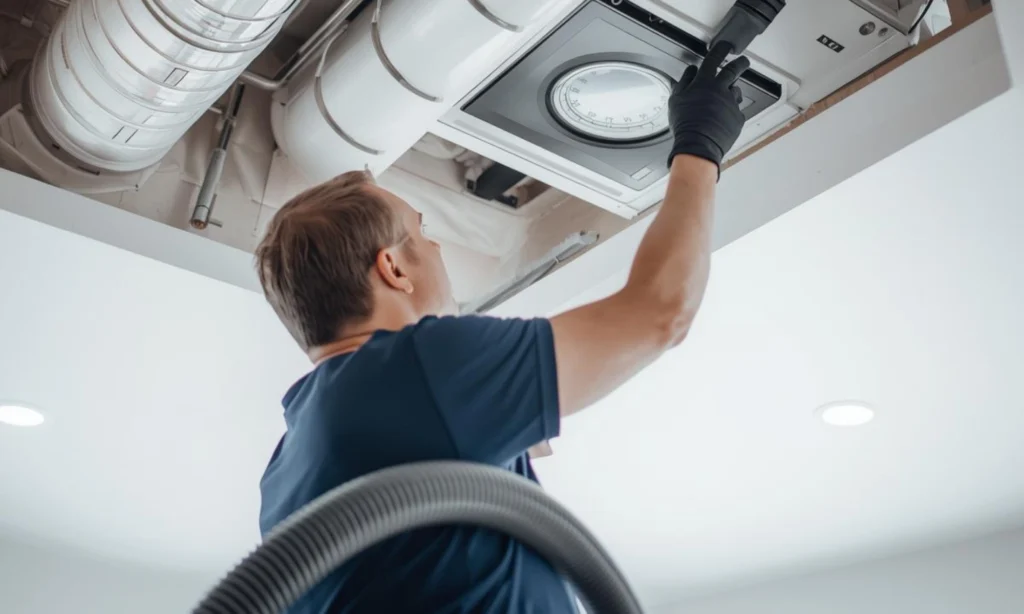
When was the last time you thought about the air circulating through your home? Most Evansville homeowners rarely consider their air duct cleaning needs until problems become obvious. Nevertheless, your HVAC system works constantly to move air through hidden pathways that accumulate surprising amounts of debris. Consequently, understanding what lurks inside your ductwork represents the first step toward protecting your family’s health and comfort. In this comprehensive guide, we will explore the most common contaminants hiding in residential duct systems. Furthermore, we will explain how these pollutants affect your indoor environment and why professional intervention matters. Whether you suffer from unexplained allergies or simply want to improve your home’s air quality, this information will help you make informed decisions about your air duct cleaning schedule. What Makes Air Duct Cleaning Essential for Evansville Homes? Understanding the Hidden Ecosystem in Your Ductwork Your home’s ductwork functions as a complex network of pathways delivering conditioned air to every room. However, these same passages also collect particles from daily life. In addition, the dark, temperature-controlled environment creates ideal conditions for various contaminants to accumulate and multiply. For Evansville residents specifically, seasonal changes bring unique challenges. During humid summers, moisture can enter duct systems and promote mold growth. Conversely, winter heating cycles dry out dust particles, making them more likely to become airborne. Therefore, regular air duct cleaning becomes essential for maintaining healthy indoor air quality throughout the year. Moreover, newer homes often feature tighter construction that improves energy efficiency but traps pollutants inside. As a result, contaminants recirculate repeatedly without proper filtration or removal. This reality makes professional air duct cleaning services increasingly important for modern households. The Connection Between Dirty Ducts and Health Issues Research consistently demonstrates links between poor indoor air quality and various health problems. For instance, the Environmental Protection Agency identifies indoor air pollution as a significant environmental health risk. Similarly, medical professionals recognize that airborne contaminants trigger or worsen respiratory conditions. In Evansville homes with neglected ductwork, residents often experience persistent symptoms they cannot explain. These may include frequent headaches, ongoing fatigue, or aggravated asthma. Additionally, children and elderly family members typically show greater sensitivity to these environmental factors. Because of this, investing in air duct cleaning services protects your most vulnerable household members. Common Contaminants Found During Air Duct Cleaning Dust and Dirt Accumulation The most visible contaminant in any duct system consists of ordinary dust and dirt. These particles enter through return vents, windows, and doors during normal daily activities. Subsequently, they settle along duct walls and gradually build up over months and years. During professional air duct cleaning services, technicians often remove surprising quantities of this basic debris. In fact, a typical residential system can accumulate several pounds of dust annually. This buildup restricts airflow and forces your HVAC equipment to work harder than necessary. Furthermore, dust particles constantly break loose and circulate through living spaces. When this happens, surfaces require more frequent cleaning and air filters clog prematurely. Ultimately, addressing dust accumulation through regular air duct cleaning improves both air quality and system efficiency. Pet Dander and Hair Residues Households with furry companions face additional contamination challenges. Pet dander consists of tiny skin flakes shed by cats, dogs, and other animals. Meanwhile, pet hair collects in corners and eventually finds its way into ventilation systems. These biological materials present particular problems for allergy sufferers. Specifically, proteins found in pet dander trigger immune responses in sensitive individuals. Additionally, pet hair can trap other contaminants and transport them throughout the home. For Evansville pet owners, air duct cleaning provides crucial relief from these allergens. Professional technicians use specialized equipment to extract embedded pet materials that standard vacuuming cannot reach. Consequently, families can enjoy their animal companions without sacrificing air quality. Mold and Mildew Growth Perhaps no contaminant concerns homeowners more than mold growth within duct systems. Mold spores exist everywhere in outdoor air and easily enter homes through ventilation. Once inside, they encounter ideal growing conditions within dark, sometimes humid ductwork. Mold colonies release microscopic spores that travel through air currents and into living spaces. When inhaled, these spores can cause allergic reactions, respiratory irritation, and other health complications. Moreover, certain mold varieties produce mycotoxins that pose serious health risks with prolonged exposure. The Centers for Disease Control and Prevention provides detailed information about health effects related to mold exposure. Professional air duct cleaning addresses mold through several approaches. First, technicians physically remove visible growth using specialized brushes and vacuums. Second, they apply antimicrobial treatments that inhibit future colonization. Finally, they identify moisture sources that enable mold proliferation. Pollen and Seasonal Allergens Evansville’s beautiful natural surroundings bring seasonal pollen challenges. Tree pollen peaks in spring, followed by grass pollen in early summer and weed pollen through fall. These microscopic particles inevitably enter homes and accumulate in duct systems. For allergy sufferers, pollen-contaminated ductwork creates year-round problems regardless of outdoor seasons. When HVAC systems operate, they disturb settled pollen and redistribute it through living spaces. As a result, sensitive individuals experience symptoms even during winter months when outdoor pollen counts drop. Comprehensive air duct cleaning removes these accumulated allergens and provides significant relief. Additionally, combining duct cleaning with high-quality filtration creates a multi-layered defense against seasonal irritants. Bacteria and Viral Particles While less visible than dust or mold, microorganisms represent serious contamination concerns. Bacteria and viruses can survive within duct systems and potentially spread throughout homes. This reality became particularly relevant during recent public health concerns. Professional air duct cleaning services increasingly incorporate disinfection protocols. For example, K&M Solutions applies antibacterial fog treatments that eliminate harmful microorganisms without introducing toxic chemicals. This approach sanitizes duct surfaces while maintaining safe indoor environments. Construction Debris and Foreign Objects New construction and renovation projects generate substantial debris that often enters duct systems. Sawdust, drywall particles, insulation fragments, and other materials find their way into open vents during building activities. Similarly, small toys, food items, or other objects occasionally fall into floor vents and become trapped. These foreign materials obstruct
Is Chimney Cleaning Required by Insurance Companies?
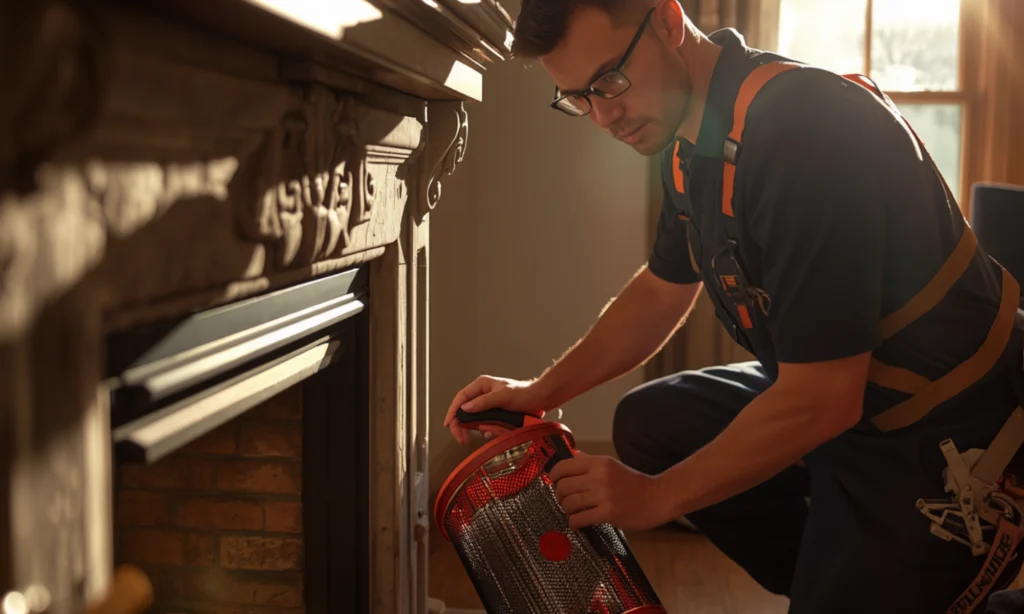
Protect Your Home and Coverage with Regular Chimney Maintenance As a homeowner in Evansville, Indiana, protecting your investment means understanding your insurance obligations. You pay premiums on time and maintain your property, but you might be surprised to learn that chimney cleaning insurance requirements affect your coverage validity. Many residents discover too late that neglecting chimney maintenance leaves them financially exposed. Consequently, understanding whether your insurer mandates professional sweeping becomes essential for responsible homeownership. This guide explores the relationship between chimney maintenance and insurance requirements, explains what Indiana homeowners need to know, and shows how K&M Solutions helps you stay compliant while keeping your family safe. Why Insurance Companies Require Chimney Maintenance Insurance providers manage risk carefully. Therefore, they evaluate every factor that could lead to costly claims. Furthermore, chimney fires represent one of the most common hazards for homeowners with fireplaces or wood-burning stoves. According to the National Fire Protection Association, creosote buildup causes thousands of residential fires annually. As a result, insurers have become increasingly vigilant about chimney maintenance. When you understand chimney cleaning insurance requirements, you recognize whether your policy truly protects you against preventable disasters. Moreover, many underwriters now require documentation of regular chimney inspections and cleanings before issuing or renewing policies. This requirement is particularly common for homes with active fireplaces, wood stoves, or older chimney systems. The Chimney Safety Institute of America recommends annual inspections to maintain safety standards that insurers expect. When Chimney Cleaning Insurance Requirements Apply Specific requirements vary by provider and policy type. Nevertheless, most standard homeowners insurance policies contain clauses related to maintenance and negligence. For instance, if a chimney fire occurs due to lack of cleaning, your insurer may deny the claim based on homeowner negligence. Additionally, some companies explicitly mandate annual chimney inspections and cleanings as a condition of coverage. This requirement is especially prevalent in areas with high fireplace usage, including Evansville and the surrounding tri-state region. To clarify, here are common scenarios where chimney cleaning insurance requirements become critical: How Neglect Affects Your Insurance Coverage Homeowners insurance typically covers sudden and accidental damage. However, it generally excludes damage resulting from lack of maintenance or negligence. Therefore, if an investigation reveals that creosote buildup caused a chimney fire, your insurer might classify this as preventable damage. In contrast, when you maintain regular cleaning schedules with a professional service like K&M Solutions, you create documentation supporting your claim. Our detailed service records provide proof that you fulfilled your maintenance responsibilities as a policyholder. Furthermore, maintaining your chimney demonstrates due diligence. This documentation becomes invaluable if you ever need to file a claim related to fireplace or heating system damage. Indiana Regulations and Local Requirements While Indiana does not have statewide laws mandating chimney cleaning, local jurisdictions may have specific requirements. Moreover, insurance companies operating in Indiana set their own underwriting standards based on risk assessment data. For example, some carriers require professional chimney sweeping annually for wood-burning fireplaces, while others mandate inspections every two years. Similarly, homes with gas fireplaces may have different requirements than those with wood-burning units. To determine your specific obligations, review your policy documents carefully. Alternatively, contact your insurance agent directly to ask about chimney cleaning insurance requirements for your particular coverage. The Indiana Department of Insurance provides consumer resources to help you understand your rights and responsibilities. Documentation Best Practices for Insurance Compliance When you schedule chimney cleaning services with K&M Solutions, we provide comprehensive documentation including: This documentation serves multiple purposes. First, it satisfies chimney cleaning insurance requirements. Second, it establishes a maintenance history that increases your home’s value. Third, it identifies potential problems before they become expensive repairs. How K&M Solutions Helps You Meet Insurance Requirements Professional Chimney Cleaning Services K&M Solutions has served Evansville and the tri-state area for over 12 years. During this time, we have helped countless homeowners maintain insurance compliance while ensuring family safety. Our chimney cleaning services include thorough removal of soot, creosote, and blockages that could trigger insurance concerns. Moreover, our technicians identify issues that might affect your coverage. For instance, damaged flue liners, missing chimney caps, or improper clearances can all impact insurance assessments. We document these findings and provide recommendations for remediation. Our Service Tiers We offer multiple service levels to meet varying needs and chimney cleaning insurance requirements: Basic Cleaning includes high-powered vacuum removal of soot and debris from every flue and chimney liner. Additionally, we provide a free inspection of your chimney cap and damper. This service suits homeowners who maintain annual cleaning schedules and need standard documentation for insurance purposes. Deep Cleaning addresses flues, liners, fireplaces, and chimney caps. We recommend this service if it has been over two years since your last cleaning. Furthermore, deep cleaning often satisfies stricter insurance requirements for homes with heavy fireplace usage. Non-Toxic Deodorizing Treatment eliminates odors caused by creosote and soot without introducing harmful chemicals. This treatment improves indoor air quality while maintaining the safety standards insurance companies expect. Complementary Services for Complete Protection Beyond chimney cleaning, K&M Solutions offers services that support overall home safety and insurance compliance. Consider bundling your chimney maintenance with air duct cleaning to improve indoor air quality. Similarly, our dryer vent cleaning service reduces fire hazards that insurers also monitor. Additionally, our furnace cleaning services ensure your entire heating system operates safely and efficiently. Many insurance companies view comprehensive HVAC maintenance favorably when assessing risk profiles. Financial Benefits of Regular Chimney Maintenance Avoiding Claim Denials The cost of professional chimney cleaning is minimal compared to the financial devastation of an insurance claim denial. When you invest in regular maintenance, you protect your coverage and avoid out-of-pocket expenses for fire damage. Furthermore, some insurers offer premium discounts for homeowners who demonstrate proactive maintenance habits. By keeping detailed records of your chimney cleaning schedule, you may qualify for these savings. Preventing Costly Repairs Regular cleaning identifies minor issues before they become major problems. For example, catching a cracked flue liner early prevents expensive structural damage. Similarly, removing creosote
What Happens If You Skip Chimney Cleaning for Years?
Introduction: The Hidden Cost of “Out of Sight, Out of Mind” What happens if you skip chimney cleaning for years? For many Evansville homeowners, the chimney represents something that functions automatically without much thought. After all, if smoke rises and fires burn, everything must be working correctly. Unfortunately, this assumption leads thousands of Tri-State area residents into dangerous situations every single heating season. The truth is that chimney neglect creates a cascade of problems that worsen exponentially with time. Unlike other home maintenance issues that announce themselves immediately, chimney deterioration happens silently within dark flue walls. By the time visible symptoms appear, significant damage may already exist. Furthermore, the risks extend far beyond simple fireplace malfunction; they threaten your family’s safety, your home’s structural integrity, and your financial security. At K&M Solutions, we have witnessed the consequences of prolonged chimney neglect throughout Evansville, Newburgh, and the surrounding Ohio River Valley communities. This comprehensive guide explains exactly what happens when you postpone chimney maintenance for years, why these dangers accelerate in our specific climate, and how you can reverse course before catastrophe strikes. Whether you have skipped one season or five, understanding these risks empowers you to make informed decisions about your home’s safety. The Science of Creosote: What Happens If You Skip Chimney Cleaning for Years Understanding Creosote Accumulation When wood burns, it releases combustion byproducts including smoke, water vapor, gases, and unburned particles. As these substances travel up your chimney, they encounter cooler temperatures and condense against flue walls. This condensation creates creosote, a tar-like substance that accumulates with every fire you burn. The process happens gradually, yet persistently, meaning each skipped cleaning allows another layer to form. Creosote presents itself in various forms depending on your burning habits and wood quality. It may appear crusty and flaky, sticky and tar-like, or hardened into a shiny, glazed coating. Regardless of appearance, all forms share one critical characteristic: extreme flammability. According to the Environmental Protection Agency, smoke from wood-burning stoves and fireplaces contains a mixture of harmful gases and fine particles that can cause asthma attacks, severe bronchitis, and aggravate heart and lung disease. Understanding these health effects helps homeowners recognize why proper venting matters. What happens if you skip chimney cleaning for years? The answer lies in exponential accumulation. A single season of regular fireplace use creates measurable buildup; multiple seasons create dangerous fuel loads capable of sustaining intense, destructive fires. Additionally, Evansville’s variable climate, with humid summers and freezing winters, accelerates the chemical breakdown of flue materials when combined with acidic creosote deposits. The Three Stages of Dangerous Buildup Creosote progresses through distinct stages as it accumulates, each presenting increasing hazards. Stage one involves loose, sooty deposits that brush away relatively easily. Stage two transforms into harder, crunchy flakes requiring specialized tools for removal. Stage three, often called glazed creosote, becomes a thick, hardened layer resembling black glass that demands chemical treatments and intensive mechanical agitation. When you skip chimney cleaning for years, you allow progression through these stages. Stage three creosote burns intensely, reaching temperatures exceeding 2,000 degrees Fahrenheit. At these temperatures, masonry cracks, metal liners warp, and adjacent combustible materials ignite. The Chimney Safety Institute of America emphasizes that clean chimneys do not catch fire, and following proper safety guidance prevents the conditions that lead to devastating structural damage. Immediate Physical Dangers: Fire, Poisoning, and Structural Damage Chimney Fires: The Most Visible Threat The most dramatic consequence of neglected chimney maintenance involves chimney fires. These events occur when accumulated creosote ignites within the flue rather than in the fireplace itself. What happens if you skip chimney cleaning for years? You essentially construct a fuel-lined tunnel extending from your living room to your roof, creating perfect conditions for uncontrolled combustion. Chimney fires manifest differently depending on severity. Some produce terrifying symptoms: loud roaring noises resembling trains or airplanes, flames shooting from chimney tops, dense smoke billowing into neighborhoods, and shaking or rattling pipes. Others burn silently at extremely high temperatures, causing hidden structural damage without obvious warning signs. Both types threaten your home equally. Statistical analysis from the National Fire Protection Association reveals that home heating fires peak during winter months, with fireplaces or chimneys involved in approximately three in ten home heating equipment fires. In Evansville specifically, fire departments respond to heating-related incidents most frequently during December, January, and February when fireplace usage peaks. The Evansville city government explicitly warns residents about home fire safety, noting that creosote and smoke create dangerous coatings inside chimneys, providing fuel for devastating fires. Beyond immediate flame damage, chimney fires compromise structural integrity. Masonry chimneys experience cracked flue tiles, displaced mortar, and damaged liners. Factory-built metal chimneys suffer buckled seams, distorted components, and exposed framing. Once damaged, these systems cannot safely contain future fires, creating pathways for flames to reach roof structures and interior walls. Carbon Monoxide Poisoning: The Invisible Killer While chimney fires command attention through dramatic displays, carbon monoxide poisoning represents a more insidious threat. This odorless, colorless gas results from incomplete combustion and normally vents safely through clean, unobstructed chimneys. However, what happens if you skip chimney cleaning for years? Blockages from creosote, debris, or animal nests restrict airflow, forcing toxic gases back into living spaces. Carbon monoxide binds to blood hemoglobin more readily than oxygen, gradually starving body tissues of necessary circulation. Early symptoms mimic common illnesses: headaches, dizziness, nausea, and fatigue. Consequently, victims often dismiss warning signs until concentrations reach lethal levels. Children, elderly residents, and pets face heightened vulnerability due to smaller body mass and faster metabolic rates. The EPA Burn Wise Program identifies improper ventilation as a leading contributor to residential carbon monoxide poisonings, and their safety guides recommend annual professional checks. When chimneys accumulate years of neglect, they lose capacity to exhaust combustion byproducts effectively. Additionally, partial blockages create backdrafting situations where air pressure differentials pull gases downward rather than allowing natural upward flow. Installing carbon monoxide detectors provides essential protection, yet regular chimney maintenance prevents the conditions that trigger alarms
Can Dirty Air Ducts Make You Sick?

Introduction Your home should be a sanctuary where you feel safe and healthy. Yet many homeowners in Evansville, Indiana, unknowingly share their living spaces with hidden threats circulating through their HVAC systems. The question “Can dirty air ducts make you sick?” is more relevant today than ever before, especially as the EPA reports we spend approximately 90% of our time indoors. The air you breathe inside your home passes through your ductwork multiple times each day. When those ducts become contaminated with dust, allergens, mold, and other pollutants, they transform from ventilation pathways into distribution networks for airborne contaminants. Consequently, your family’s health may suffer without you realizing the source of the problem. In this comprehensive guide, we will explore the connection between dirty air ducts and health issues. Furthermore, we will examine the specific contaminants lurking in your ductwork, identify warning signs of duct-related health problems, and explain how professional air duct cleaning can protect your household. Whether you have lived in your Evansville home for decades or recently moved in, understanding these risks empowers you to make informed decisions about your indoor air quality. The Hidden Connection Between Dirty Air Ducts and Your Health Understanding How Air Ducts Impact Indoor Air Quality Your HVAC system functions as the respiratory system of your home. It draws air in, conditions it for comfort, then distributes it throughout every room through a network of ducts. Over time, these ducts accumulate layers of dust, debris, and biological contaminants. When your system operates, air flows over these deposits and carries particles into your living spaces. The National Institute of Environmental Health Sciences has documented that indoor air pollutants, including those circulated through HVAC systems, can cause irritation of the eyes, nose, and throat, plus headaches, dizziness, and fatigue. Moreover, long-term exposure to poor indoor air quality has been linked to respiratory diseases, heart disease, and even cancer. However, the relationship between dirty air ducts and health is complex. The EPA notes that much of the dirt in air ducts adheres to duct surfaces and does not necessarily enter living spaces. Nevertheless, when ducts become excessively clogged or contaminated with mold or vermin, the health risks increase significantly. What Science Says About Duct Contamination and Health Research on duct cleaning and health effects continues to evolve. A comprehensive review published in the journal Indoor Air found that while ventilation ducts can serve as reservoirs for microbial growth under normal operating conditions, the direct correlation between duct contamination and poor indoor air quality requires further study. Despite this, the same review acknowledged that improperly maintained ducts are associated with higher risks of symptoms among building occupants. Additionally, studies have shown that homes with unclean air ducts had a 25% higher incidence of respiratory issues compared to homes with regularly cleaned ducts. This statistic alone suggests that maintaining clean ductwork should be a priority for health-conscious homeowners. Common Contaminants Found in Dirty Air Ducts Dust, Dirt, and Particulate Matter Everyday household activities generate dust that eventually finds its way into your ductwork. Cooking, cleaning, and simply moving around your home stirs up particles that get drawn into return vents. Over months and years, these particles accumulate on duct surfaces. Particulate matter in ducts often includes skin cells, textile fibers, soil tracked in from outdoors, and microscopic debris. When your HVAC system cycles on, air movement can dislodge these particles and redistribute them throughout your home. For individuals with allergies or respiratory sensitivities, this constant exposure can trigger symptoms. Mold and Mildew Growth Mold represents one of the most serious contaminants found in air ducts. Mold spores are ubiquitous in the environment, and they only need moisture and organic material to colonize your ductwork. The dark, often humid environment inside HVAC systems provides ideal conditions for mold growth. The Centers for Disease Control and Prevention states that one in three Americans is allergic to mold. When mold grows in ducts, spores become airborne and circulate through your home. Exposure to mold-contaminated air can cause severe allergic reactions, respiratory distress, sinus infections, and lung irritation. Furthermore, prolonged exposure may lead to chronic health issues. Stachybotrys chartarum, commonly known as black mold, and Acremonium are particularly concerning types often found in contaminated duct systems. These molds can produce mycotoxins that pose serious health risks, especially for children, elderly individuals, and those with compromised immune systems. Pet Dander and Allergens Pet owners in Evansville love their furry companions, yet pets constantly shed hair and dander. These allergens settle in ductwork and recirculate continuously. Dust mites, another common allergen, thrive in the dust accumulation within ducts. For the millions of Americans suffering from pet allergies, dirty air ducts can exacerbate symptoms significantly. The Asthma and Allergy Foundation of America found that 60% of allergy sufferers reported worsening symptoms when exposed to poor indoor air quality, particularly in homes with dirty air ducts. This statistic highlights the direct impact that neglected ductwork can have on quality of life. Bacteria and Viral Particles Air ducts can harbor bacteria and viral particles, especially when moisture is present. The Legionella bacterium, which causes Legionnaires’ disease, has been associated with buildings featuring poorly maintained air conditioning or heating systems. While residential cases are less common than commercial outbreaks, the potential exists in any system with standing water or excessive moisture. Volatile Organic Compounds (VOCs) Beyond biological contaminants, air ducts can trap volatile organic compounds. These chemicals emit from household products including paints, cleaning supplies, and building materials. According to the EPA, indoor VOC concentrations are often ten times higher than outdoor levels. Dirty air ducts can trap and circulate these harmful chemicals throughout your home, potentially causing headaches, nausea, and damage to the liver, kidneys, and central nervous system with prolonged exposure. Health Symptoms Associated with Dirty Air Ducts Respiratory Issues and Breathing Difficulties The most immediate health impact of dirty air ducts manifests as respiratory problems. Dust, pet dander, mold spores, and other contaminants aggravate conditions like asthma, allergies, and bronchitis. Children are particularly

