Every cozy evening spent by the fireplace creates more than just warm memories. Additionally, it produces a hidden threat that accumulates silently within your chimney system. What is creosote and why is it dangerous? This question matters deeply for Evansville homeowners who enjoy wood-burning fires during Indiana’s cold months. At K&M Solutions, we regularly encounter this hazardous substance during chimney cleaning appointments throughout the Tri-State area.
Understanding creosote begins with recognizing its origins. When wood burns, it releases smoke containing hundreds of chemical compounds. Furthermore, as this smoke rises through your cooler chimney flue, condensation occurs. The resulting residue sticks to interior walls and gradually builds up. Consequently, this creates a compound that threatens both property and personal safety. According to the National Fire Protection Association, chimney fires cause hundreds of millions of dollars in property damage annually across the United States.
This comprehensive guide explains everything Evansville residents need to know about creosote formation, its dangers, and professional prevention strategies. Moreover, we will explore how regular maintenance protects your investment while ensuring family safety throughout the heating season.
Table of Contents
ToggleWhat Is Creosote? Understanding the Chemistry Behind the Danger
Creosote represents a complex mixture of chemicals that forms during incomplete wood combustion. Specifically, it contains tar, soot, and various hydrocarbons that condense on chimney surfaces. The substance ranges in appearance from flaky black soot to hard, glossy black deposits. Furthermore, its consistency changes based on burning conditions and fuel types used.
The formation process begins when burning wood releases volatile gases. These gases rise through the chimney while carrying unburned carbon particles. Additionally, as temperatures drop within the flue, these particles cool and adhere to interior surfaces. Over time, layer upon layer accumulates, creating a substantial buildup.
Three distinct stages of creosote development exist, each presenting unique challenges. First-stage creosote appears as flaky, soot-like material that brushes away relatively easily. Second-stage creosote transforms into crunchy, tar-like flakes requiring more aggressive removal techniques. Third-stage creosote becomes a hardened, glossy glaze that adheres stubbornly to chimney walls. Moreover, this final stage presents the greatest fire risk due to its concentrated fuel properties.
The chemical composition makes creosote particularly problematic. It contains phenols, cresols, and polycyclic aromatic hydrocarbons. Furthermore, these compounds become increasingly concentrated as buildup progresses. Consequently, the material becomes more flammable and more difficult to remove safely.
Why Is Creosote Dangerous? The Multiple Threats to Your Home and Health
Understanding what is creosote and why is it dangerous requires examining several risk categories. First and foremost, fire hazard represents the most immediate threat. Creosote is highly flammable, igniting at approximately 451 degrees Fahrenheit. Furthermore, chimney fires burn intensely, reaching temperatures exceeding 2,000 degrees. Consequently, these fires can crack chimney liners, damage masonry, and spread to surrounding structures.
The structural damage potential extends beyond the chimney itself. Intense heat can transfer to wall studs, roofing materials, and attic spaces. Additionally, the rapid temperature changes cause thermal shock to brick and mortar. Therefore, even contained fires often create expensive repair needs. Moreover, many chimney fires go undetected initially, causing hidden damage that compromises future safety. The Chimney Safety Institute of America emphasizes that most chimney fires occur without homeowners even realizing the event happened.
Health risks accompany the fire hazards. Creosote contains carcinogenic compounds that pose risks during direct contact. Furthermore, incomplete combustion associated with creosote buildup can release carbon monoxide into living spaces. Consequently, families may experience headaches, dizziness, or more severe symptoms without realizing the source. Additionally, the acidic nature of creosote accelerates masonry deterioration, potentially leading to structural failures.
Evansville’s climate exacerbates these dangers. The Ohio River Valley’s humidity interacts with creosote deposits, accelerating corrosion of metal components. Furthermore, freeze-thaw cycles during winter months stress already compromised masonry. Therefore, local homeowners face heightened maintenance requirements compared to drier regions.
How Creosote Forms: Factors That Accelerate Buildup in Evansville Homes
Several conditions increase creosote accumulation rates. First, burning unseasoned or wet wood creates excessive smoke and incomplete combustion. Furthermore, restricted airflow from closing dampers too early prevents complete burning. Consequently, these practices dramatically increase residue deposits.
The type of wood burned significantly impacts creosote formation. Softwoods like pine contain more resin, producing higher volatile content. Additionally, improper wood storage in humid Evansville conditions increases moisture content. Therefore, even technically “seasoned” wood may burn inefficiently if stored improperly. The Environmental Protection Agency provides detailed guidelines on proper wood burning techniques that minimize creosote formation while maximizing heating efficiency.
Chimney design and installation affect condensation patterns. Exterior chimneys exposed to cold air cool flue gases rapidly. Furthermore, oversized flues for the connected appliance create slower draft speeds. Consequently, smoke remains in the chimney longer, allowing more extensive condensation.
Burning practices matter tremendously. Smoldering fires produce more creosote than hot, active flames. Additionally, overnight burning with restricted air creates perfect conditions for heavy buildup. Therefore, operational habits directly impact maintenance frequency requirements.
Recognizing Creosote Buildup: Warning Signs Evansville Homeowners Should Notice
Visual inspection reveals obvious indicators of creosote problems. First, look for black, tar-like deposits around the firebox or damper area. Furthermore, excessive soot accumulation on fireplace walls suggests poor draft conditions. Consequently, these visible signs indicate deeper problems within the flue system.
Performance changes signal developing issues. Reduced draft strength makes fires harder to start and keep burning. Additionally, smoke entering the room during fireplace operation indicates blockage or restriction. Therefore, operational difficulties often precede visible creosote indicators.
Odor detection provides another warning system. Strong, smoky smells during humid weather suggest creosote absorption of moisture. Furthermore, acrid or chemical odors indicate advanced buildup stages. Consequently, unusual smells warrant immediate professional evaluation.
External chimney observations matter too. Discolored or stained chimney exteriors suggest internal problems. Additionally, damaged or missing chimney caps allow animal entry, creating blockages that worsen conditions. Therefore, comprehensive visual assessments protect against overlooked dangers.
Professional Creosote Removal: Why DIY Methods Fall Short
Many homeowners attempt creosote removal using retail products or basic tools. However, these approaches rarely address the full problem. First, chemical cleaners provide limited effectiveness against third-stage glaze. Furthermore, improper tool use can damage flue liners or masonry. Consequently, incomplete removal leaves dangerous residues behind.
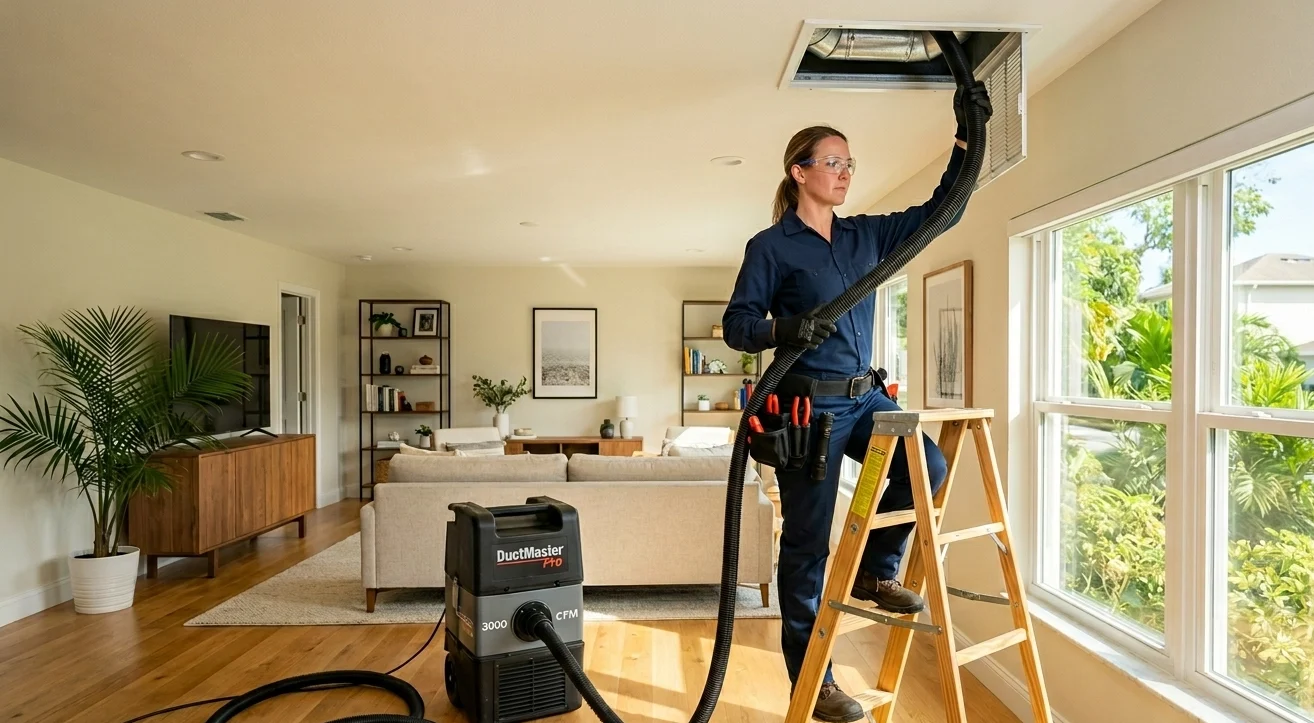
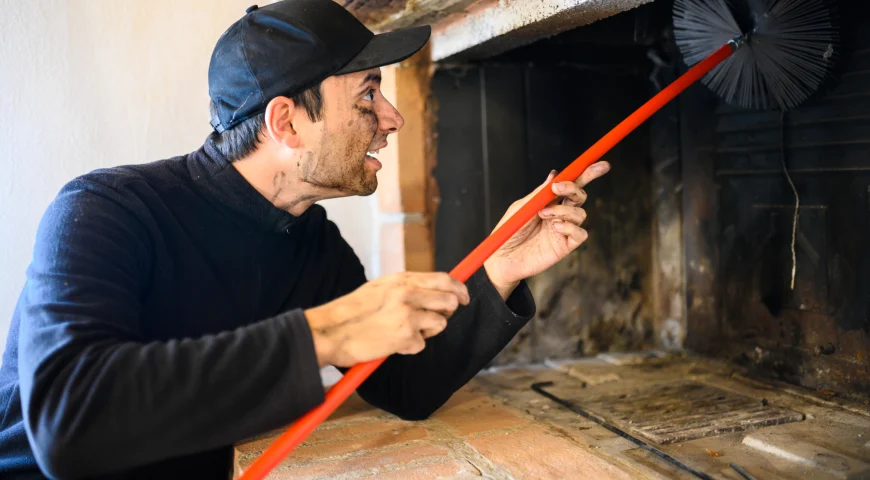
Professional chimney cleaning services employ specialized equipment and techniques. High-powered rotary brushes effectively remove stubborn deposits without damaging surfaces. Additionally, industrial vacuum systems capture dislodged particles, preventing indoor contamination. Therefore, professional service ensures both effectiveness and safety.
Inspection capabilities distinguish professional service. Camera systems reveal hidden buildup areas invisible from the firebox. Furthermore, trained technicians recognize structural damage requiring repair. Consequently, comprehensive service addresses both immediate cleaning and long-term safety concerns.
The chimney cleaning process at K&M Solutions includes multiple safety checks. We examine flue liners for cracks or deterioration that could allow heat transfer. Additionally, we assess crown and cap conditions that prevent water entry. Therefore, our service provides complete system evaluation beyond simple creosote removal.
Preventing Dangerous Creosote Buildup: Best Practices for Evansville Residents
Prevention begins with proper fuel selection and storage. Burn only seasoned hardwoods dried for at least twelve months. Furthermore, store wood off the ground and covered to prevent moisture absorption. Consequently, proper fuel preparation significantly reduces creosote formation.
Burning techniques dramatically impact buildup rates. Maintain hot, active fires rather than slow-burning smolders. Additionally, avoid overloading the firebox, which restricts airflow. Therefore, proper fire management minimizes incomplete combustion.
Regular maintenance schedules prevent dangerous accumulation. Annual inspections identify problems before they become hazardous. Furthermore, cleaning frequency should match usage intensity; heavy winter users need more frequent service. Consequently, proactive scheduling protects against emergency situations.
Air duct cleaning complements chimney maintenance for complete home safety. Dust and debris circulating through HVAC systems can affect overall air quality. Additionally, comprehensive home maintenance creates healthier living environments. Therefore, consider bundling services for maximum protection.
The Evansville Climate Factor: Regional Considerations for Chimney Safety
Local weather patterns influence creosote formation and chimney deterioration. Evansville’s humid subtropical climate creates unique challenges. First, summer humidity accelerates masonry absorption of creosote acids. Furthermore, winter temperature fluctuations stress thermal expansion in brickwork. Consequently, local homes require specialized maintenance approaches.
The Ohio River Valley’s temperature inversions can affect draft performance. During certain weather conditions, atmospheric pressure prevents proper smoke evacuation. Additionally, these conditions increase condensation within the flue. Therefore, local expertise matters for effective chimney care.
Seasonal timing optimizes maintenance effectiveness. Spring and summer chimney cleaning removes winter accumulation before humidity sets in. Furthermore, off-season scheduling provides flexible appointment availability. Consequently, Evansville homeowners benefit from strategic service timing.
Regional burning habits affect service needs. Many Tri-State residents rely heavily on wood heat during winter months. Additionally, decorative fireplace use during holidays increases annual burning hours. Therefore, local usage patterns demand attentive maintenance schedules.
Comprehensive Home Safety: Beyond the Chimney
Creosote dangers connect to broader home safety systems. Furnace cleaning ensures efficient operation of alternative heating sources. Furthermore, clean furnaces reduce overall fire risks throughout the home. Therefore, comprehensive heating system maintenance protects families multiple ways.
Dryer vent cleaning addresses another common fire hazard. Lint accumulation creates similar ignition risks to creosote buildup. Additionally, both hazards benefit from professional removal techniques. Consequently, bundling these services maximizes safety efficiency.
HVAC maintenance supports overall system performance. Clean components operate more efficiently and safely. Furthermore, professional inspection identifies potential problems early. Therefore, whole-system approaches benefit home safety and comfort.
Junk removal services help maintain safe clearances around heating appliances. Accumulated storage near fireplaces or furnaces creates fire hazards. Additionally, decluttering improves overall home safety. Consequently, comprehensive property maintenance supports chimney safety efforts.
When to Schedule Professional Chimney Service: Timing Guidelines
Annual inspections represent minimum safety standards for all wood-burning systems. Furthermore, cleaning needs vary based on usage intensity. Consequently, professional evaluation determines appropriate service frequency.
Heavy users require more frequent attention. Homes burning daily during winter need mid-season inspections. Additionally, cordwood consumption rates help predict cleaning needs. Therefore, usage tracking informs maintenance scheduling.
New home purchases warrant immediate chimney evaluation. Previous owner practices remain unknown, creating uncertainty about buildup levels. Furthermore, inspection reveals any deferred maintenance requiring attention. Consequently, pre-purchase or immediate post-purchase service protects new investments.
Weather events may necessitate emergency inspections. Severe storms can damage caps, crowns, or liners. Additionally, seismic activity or structural settling affects chimney integrity. Therefore, post-event evaluations ensure continued safety.
Frequently Asked Questions About Creosote Dangers and Chimney Safety
What is creosote and why is it dangerous for my Evansville home specifically?
Creosote is a flammable byproduct of wood burning that accumulates in chimneys. Furthermore, it poses fire and health risks that increase with buildup thickness. Evansville’s humid climate accelerates masonry damage from acidic creosote compounds. Additionally, our cold winters create extended burning seasons that increase accumulation rates. Consequently, local homeowners face heightened maintenance needs compared to milder regions.
How quickly can creosote become dangerous in a frequently used fireplace?
Dangerous buildup can develop within a single burning season under certain conditions. Furthermore, burning unseasoned wood or maintaining smoldering fires accelerates accumulation significantly. Additionally, some chimney designs promote faster condensation than others. Therefore, annual inspections remain essential regardless of perceived usage levels.
Can I tell if my chimney has dangerous creosote buildup without professional inspection?
Some indicators suggest problems, but professional evaluation remains necessary. Furthermore, third-stage glazed creosote often hides behind first-stage deposits visible from the firebox. Additionally, dangerous buildup frequently occurs in upper flue sections invisible without specialized equipment. Consequently, DIY assessment cannot reliably ensure safety.
Does gas fireplace use eliminate creosote concerns entirely?
Gas appliances produce different byproducts but still require regular maintenance. Furthermore, debris accumulation and ventilation problems create separate safety concerns. Additionally, gas systems can develop blockages or deterioration requiring professional attention. Therefore, annual inspections remain important for all fuel types.
What happens during a professional creosote removal service?
Technicians employ rotary brushes, industrial vacuums, and specialized chemicals as needed. Furthermore, camera inspection confirms complete removal and identifies structural issues. Additionally, the process typically requires two to three hours for thorough completion. Consequently, professional service provides comprehensive protection beyond surface cleaning.
Is creosote dangerous to touch or breathe during removal?
The compounds present health risks requiring proper protective equipment. Furthermore, professional technicians use respirators and containment systems during service. Additionally, DIY removal without appropriate protection exposes individuals to carcinogenic materials. Therefore, professional service protects both immediate and long-term health.
How does creosote removal differ from basic chimney sweeping?
Basic sweeping addresses loose soot and first-stage deposits. Furthermore, significant creosote buildup requires specialized chemical treatments or mechanical removal. Additionally, glazed deposits may need multiple treatments for complete elimination. Consequently, service intensity varies based on actual buildup conditions.
Can creosote buildup affect my home’s heating efficiency?
Restricted flue passages reduce draft strength, making fires harder to maintain. Furthermore, poor draft requires more fuel to achieve desired heat output. Additionally, incomplete combustion associated with creosote problems wastes energy. Therefore, clean chimneys support both safety and efficiency goals.
Conclusion: Protecting Your Evansville Home Through Professional Creosote Management
Understanding what is creosote and why is it dangerous empowers Evansville homeowners to take protective action. This hidden hazard threatens property and health through fire risks, structural damage, and toxic exposure. Furthermore, our region’s climate and burning habits create conditions requiring vigilant maintenance.
Professional chimney cleaning from K&M Solutions provides comprehensive protection against creosote dangers. Our experienced technicians remove dangerous buildup while inspecting for related structural concerns. Additionally, we offer flexible scheduling and bundled services for complete home maintenance solutions.
Do not allow hidden creosote buildup to threaten your family’s safety. Instead, contact K&M Solutions today to schedule your professional chimney evaluation. Our team serves Evansville and the entire Tri-State area with reliable, thorough service. Furthermore, we provide free estimates and convenient appointment times.
Call us at (812) 470-0988 or visit our contact page to schedule your service. Additionally, explore our about us section to learn more about our commitment to Evansville home safety. Protect your home this season with professional creosote removal from K&M Solutions.