Table of Contents
ToggleIntroduction
Your home should be a sanctuary where you feel safe and healthy. Yet many homeowners in Evansville, Indiana, unknowingly share their living spaces with hidden threats circulating through their HVAC systems. The question “Can dirty air ducts make you sick?” is more relevant today than ever before, especially as the EPA reports we spend approximately 90% of our time indoors.
The air you breathe inside your home passes through your ductwork multiple times each day. When those ducts become contaminated with dust, allergens, mold, and other pollutants, they transform from ventilation pathways into distribution networks for airborne contaminants. Consequently, your family’s health may suffer without you realizing the source of the problem.
In this comprehensive guide, we will explore the connection between dirty air ducts and health issues. Furthermore, we will examine the specific contaminants lurking in your ductwork, identify warning signs of duct-related health problems, and explain how professional air duct cleaning can protect your household. Whether you have lived in your Evansville home for decades or recently moved in, understanding these risks empowers you to make informed decisions about your indoor air quality.
The Hidden Connection Between Dirty Air Ducts and Your Health
Understanding How Air Ducts Impact Indoor Air Quality
Your HVAC system functions as the respiratory system of your home. It draws air in, conditions it for comfort, then distributes it throughout every room through a network of ducts. Over time, these ducts accumulate layers of dust, debris, and biological contaminants. When your system operates, air flows over these deposits and carries particles into your living spaces.
The National Institute of Environmental Health Sciences has documented that indoor air pollutants, including those circulated through HVAC systems, can cause irritation of the eyes, nose, and throat, plus headaches, dizziness, and fatigue. Moreover, long-term exposure to poor indoor air quality has been linked to respiratory diseases, heart disease, and even cancer.
However, the relationship between dirty air ducts and health is complex. The EPA notes that much of the dirt in air ducts adheres to duct surfaces and does not necessarily enter living spaces. Nevertheless, when ducts become excessively clogged or contaminated with mold or vermin, the health risks increase significantly.
What Science Says About Duct Contamination and Health
Research on duct cleaning and health effects continues to evolve. A comprehensive review published in the journal Indoor Air found that while ventilation ducts can serve as reservoirs for microbial growth under normal operating conditions, the direct correlation between duct contamination and poor indoor air quality requires further study. Despite this, the same review acknowledged that improperly maintained ducts are associated with higher risks of symptoms among building occupants.
Additionally, studies have shown that homes with unclean air ducts had a 25% higher incidence of respiratory issues compared to homes with regularly cleaned ducts. This statistic alone suggests that maintaining clean ductwork should be a priority for health-conscious homeowners.
Common Contaminants Found in Dirty Air Ducts
Dust, Dirt, and Particulate Matter
Everyday household activities generate dust that eventually finds its way into your ductwork. Cooking, cleaning, and simply moving around your home stirs up particles that get drawn into return vents. Over months and years, these particles accumulate on duct surfaces.
Particulate matter in ducts often includes skin cells, textile fibers, soil tracked in from outdoors, and microscopic debris. When your HVAC system cycles on, air movement can dislodge these particles and redistribute them throughout your home. For individuals with allergies or respiratory sensitivities, this constant exposure can trigger symptoms.
Mold and Mildew Growth
Mold represents one of the most serious contaminants found in air ducts. Mold spores are ubiquitous in the environment, and they only need moisture and organic material to colonize your ductwork. The dark, often humid environment inside HVAC systems provides ideal conditions for mold growth.
The Centers for Disease Control and Prevention states that one in three Americans is allergic to mold. When mold grows in ducts, spores become airborne and circulate through your home. Exposure to mold-contaminated air can cause severe allergic reactions, respiratory distress, sinus infections, and lung irritation. Furthermore, prolonged exposure may lead to chronic health issues.
Stachybotrys chartarum, commonly known as black mold, and Acremonium are particularly concerning types often found in contaminated duct systems. These molds can produce mycotoxins that pose serious health risks, especially for children, elderly individuals, and those with compromised immune systems.
Pet Dander and Allergens
Pet owners in Evansville love their furry companions, yet pets constantly shed hair and dander. These allergens settle in ductwork and recirculate continuously. Dust mites, another common allergen, thrive in the dust accumulation within ducts. For the millions of Americans suffering from pet allergies, dirty air ducts can exacerbate symptoms significantly.
The Asthma and Allergy Foundation of America found that 60% of allergy sufferers reported worsening symptoms when exposed to poor indoor air quality, particularly in homes with dirty air ducts. This statistic highlights the direct impact that neglected ductwork can have on quality of life.
Bacteria and Viral Particles
Air ducts can harbor bacteria and viral particles, especially when moisture is present. The Legionella bacterium, which causes Legionnaires’ disease, has been associated with buildings featuring poorly maintained air conditioning or heating systems. While residential cases are less common than commercial outbreaks, the potential exists in any system with standing water or excessive moisture.
Volatile Organic Compounds (VOCs)
Beyond biological contaminants, air ducts can trap volatile organic compounds. These chemicals emit from household products including paints, cleaning supplies, and building materials. According to the EPA, indoor VOC concentrations are often ten times higher than outdoor levels. Dirty air ducts can trap and circulate these harmful chemicals throughout your home, potentially causing headaches, nausea, and damage to the liver, kidneys, and central nervous system with prolonged exposure.
Health Symptoms Associated with Dirty Air Ducts
Respiratory Issues and Breathing Difficulties
The most immediate health impact of dirty air ducts manifests as respiratory problems. Dust, pet dander, mold spores, and other contaminants aggravate conditions like asthma, allergies, and bronchitis. Children are particularly susceptible; the American Academy of Pediatrics notes that exposure to dust and allergens in the home can increase the risk of developing asthma by 40%.
Common respiratory symptoms include persistent coughing, wheezing, shortness of breath, and chest tightness. If you notice these symptoms improving when you leave home but returning upon arrival, your air ducts may be the culprit.
Allergic Reactions and Sensitivities
Dirty air ducts can trigger allergic reactions even in individuals without diagnosed allergies. Symptoms include sneezing, runny nose, itchy eyes, and sinus congestion. These reactions occur because the immune system identifies circulating allergens as threats and responds accordingly.
Moreover, continuous exposure to allergens can lead to sensitization, where the immune system becomes increasingly reactive over time. What begins as mild seasonal discomfort can evolve into year-round allergy symptoms requiring medical intervention.
Skin Irritations and Dermatological Issues
Mold and mildew from dirty air ducts can cause skin irritations beyond respiratory effects. Exposure to mold can exacerbate existing eczema symptoms and trigger flare-ups of atopic dermatitis. Some individuals develop rashes, hives, or allergic dermatitis from airborne mold spores contacting their skin.
Fatigue, Headaches, and Cognitive Effects
Poor indoor air quality affects more than just respiratory health. The EPA identifies headaches, dizziness, and fatigue as short-term effects of indoor air pollutant exposure. Research funded by the National Institute of Environmental Health Sciences found that office workers scored higher on performance measures when working in environments with low indoor pollutants.
This suggests that dirty air ducts may contribute to “brain fog,” difficulty concentrating, and reduced productivity. For children doing homework or adults working from home, clean air becomes essential for cognitive function.
Sleep Disruptions
Many homeowners report improved sleep quality after air duct cleaning. Contaminants circulating at night can cause nasal congestion, coughing, and breathing difficulties that disrupt sleep patterns. Furthermore, poor air quality has been linked to sleep apnea symptoms and reduced sleep efficiency.
Specific Health Risks for Vulnerable Populations
Children and Developing Lungs
Children face heightened risks from dirty air ducts because their lungs are still developing. They breathe more air relative to their body weight than adults, increasing their exposure to airborne contaminants. The American Academy of Pediatrics emphasizes that poor indoor air quality significantly impacts children’s respiratory health and development.
Additionally, children with asthma experience more frequent attacks when exposed to dust, mold, and allergens from contaminated ductwork. Ensuring clean air ducts becomes a critical component of creating a healthy home environment for families with young children.
Elderly Individuals and Those with Compromised Immunity
Older adults and individuals with weakened immune systems face increased vulnerability to infections from bacteria and mold circulating through dirty ducts. Respiratory infections can become serious quickly in these populations, potentially leading to pneumonia or other complications.
The National Institute of Environmental Health Sciences reports that indoor air pollution exposure during pregnancy was associated with impaired lung function in infants, which may increase pneumonia risk in the first year of life. This finding underscores the importance of clean air for the most vulnerable household members.
Individuals with Pre-existing Respiratory Conditions
For those already managing asthma, COPD, or other chronic respiratory conditions, dirty air ducts pose immediate threats. Contaminants trigger flare-ups, increase medication needs, and reduce quality of life. The American College of Allergy, Asthma, and Immunology reports that 50% of all illnesses are caused or aggravated by polluted indoor air.
When Should You Consider Air Duct Cleaning?
Visible Mold Growth
If you observe substantial visible mold growth inside hard surface ducts or on other components of your heating and cooling system, professional cleaning becomes necessary. However, many sections of HVAC systems remain inaccessible for visual inspection, so professional assessment is often required.
Vermin Infestation
Ducts infested with rodents or insects require immediate attention. Beyond the contamination from droppings and debris, vermin can damage ductwork and create entry points for further contamination. If you hear scratching sounds or notice signs of pest activity, schedule an inspection promptly.
Excessive Dust and Debris
When ducts become clogged with excessive amounts of dust and debris, or when particles are actually released into your home from supply registers, cleaning becomes essential. You may notice dust accumulating rapidly on surfaces shortly after cleaning, or visible dust emanating from vents when the system operates.
Following Renovations or Construction
Home improvement projects generate significant dust and debris that inevitably enters ductwork. If you have recently completed renovations in your Evansville home, consider professional duct cleaning to remove construction particulates before they circulate continuously.
Unexplained Health Symptoms
If your family experiences persistent respiratory symptoms, allergies, or other health issues without clear cause, dirty air ducts may be contributing. Consider duct inspection and cleaning as part of your strategy to improve indoor air quality and health.
The Professional Air Duct Cleaning Process
Initial Inspection and Assessment
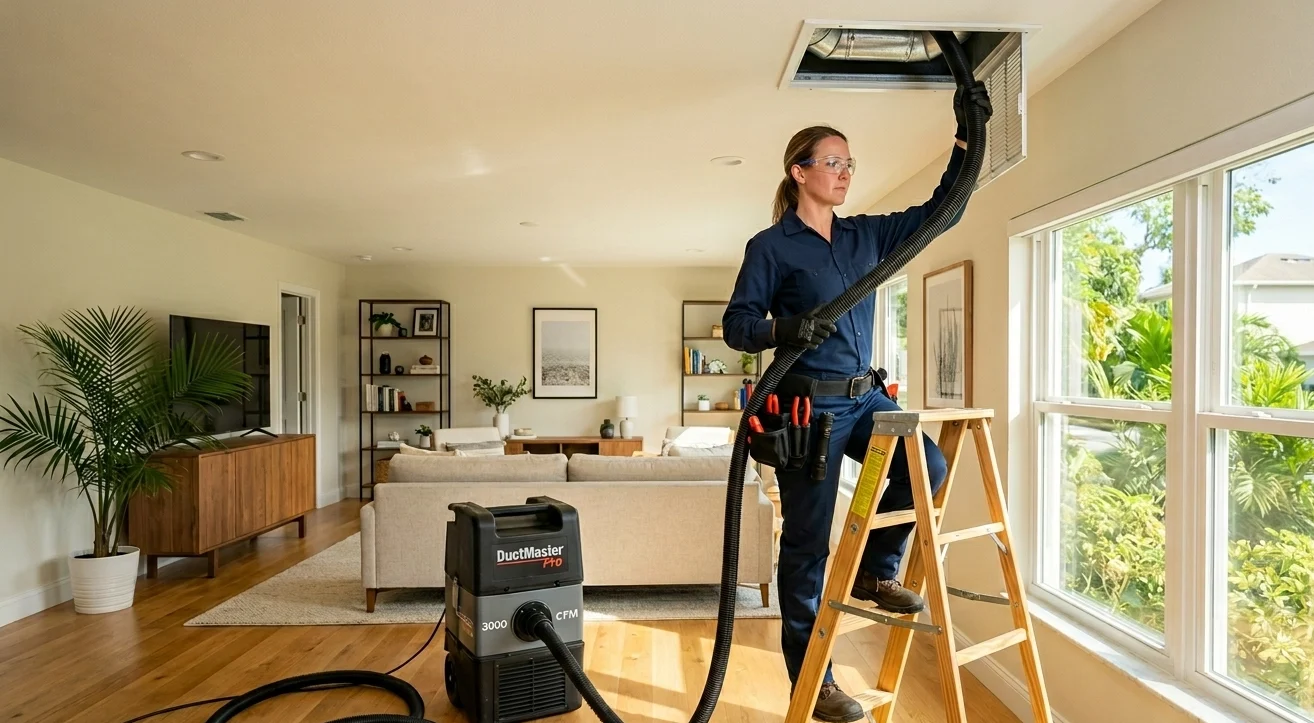
Professional air duct cleaning begins with a thorough inspection of your HVAC system. Technicians examine supply and return vents, the furnace, air conditioner, and accessible ductwork to identify contamination levels and problem areas. This assessment determines the appropriate cleaning approach for your specific situation.
Source Removal Techniques
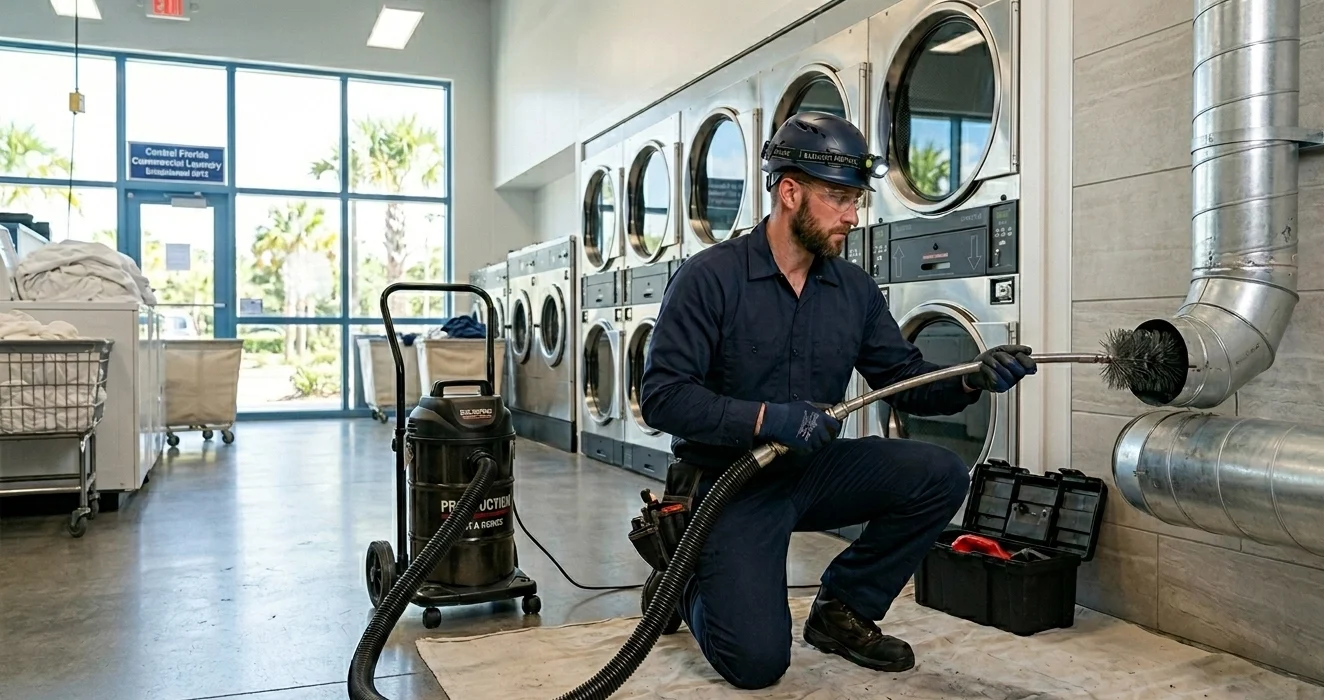
The National Air Duct Cleaners Association (NADCA) emphasizes source removal as the most effective cleaning method. This process involves using specialized tools to dislodge debris from duct surfaces, then extracting it with powerful vacuum systems. At K&M Solutions, we employ negative ion HEPA filter technology during our cleaning process to ensure thorough contaminant removal.
Comprehensive System Cleaning
Effective duct cleaning addresses the entire HVAC system, not just the visible vents. Professional services should include cleaning of supply vents, return vents, registers, grilles, diffusers, and system components like the blower motor and evaporator coil when necessary. Our deep cleaning service at K&M Solutions covers every supply vent, every return vent, plus full furnace and air conditioner cleaning.
Sanitation and Protection
Following mechanical cleaning, professional services may apply antimicrobial treatments to prevent future mold growth, particularly in humid environments. K&M Solutions offers non-toxic sanitation options that eliminate bacteria and contaminants without compromising indoor air quality or posing health risks. This approach prioritizes safe, environmentally-friendly products that leave your home smelling fresh and clean.
Benefits of Professional Air Duct Cleaning for Evansville Homeowners
Improved Indoor Air Quality
The primary benefit of air duct cleaning is improved indoor air quality. By removing accumulated dust, allergens, mold, and contaminants, you reduce the pollutants circulating through your home. This creates a healthier breathing environment for your entire family.
Reduced Allergy and Asthma Symptoms
Clean ducts help reduce airborne irritants and can provide noticeable relief for people with asthma or allergies. Many homeowners report reduced symptoms, decreased medication needs, and improved quality of life following professional duct cleaning.
Enhanced HVAC Efficiency
When ducts are clogged with dust and debris, your HVAC system works harder to maintain desired temperatures. This increased strain drives up energy consumption and utility costs. Clean ducts allow air to flow freely, improving system efficiency and potentially reducing energy bills. Some research from the EPA suggests that cleaning dirty cooling coils, fans, and heat exchangers can improve heating and cooling system efficiency.
Extended Equipment Lifespan
Regular maintenance, including duct cleaning, prevents premature wear on HVAC components. By reducing strain on your system, you extend its operational lifespan and delay costly replacement expenses.
Odor Elimination
Accumulated debris, mold, and bacteria in ducts often produce unpleasant odors that circulate throughout your home. Professional cleaning removes these odor sources, leaving your indoor air smelling fresh and clean. Our antibacterial disinfectant fog eliminates bacteria and contaminants while creating a pleasant, inviting scent.
Preventing Duct Contamination: Best Practices for Evansville Homeowners
Regular Filter Maintenance
The most effective way to prevent duct contamination is regular HVAC filter replacement. Check filters monthly and replace them according to manufacturer recommendations, typically every one to three months. High-efficiency filters capture more particles before they enter your ductwork.
Routine HVAC Maintenance
Schedule annual professional maintenance for your heating and cooling systems. During these service visits, technicians clean coils, check components, and identify potential issues before they become serious problems. K&M Solutions offers comprehensive HVAC maintenance services to keep your system running efficiently.
Humidity Control
Maintaining appropriate indoor humidity levels prevents mold growth in ductwork. The EPA recommends keeping indoor humidity between 30% and 50%. Use dehumidifiers during humid Evansville summers and ensure proper ventilation in bathrooms and kitchens.
Prompt Repairs
Address water leaks, condensation issues, or pest problems immediately. Moisture in ductwork creates ideal conditions for mold growth, while pest infestations introduce contaminants and damage. Quick action prevents small problems from becoming major contamination sources.
Professional Inspections
Consider routine visual inspections of accessible ductwork, particularly after severe weather events or if you notice changes in system performance. The NADCA standard recommends that HVAC systems be visually inspected for cleanliness at regular intervals depending on building use.
Frequently Asked Questions About Dirty Air Ducts and Health
How often should air ducts be cleaned to prevent health issues?
Most experts recommend professional air duct cleaning every three to five years, depending on factors such as pets, allergies, and environmental conditions. However, if you have family members with respiratory conditions, recent renovations, or visible mold growth, more frequent cleaning may be necessary. K&M Solutions offers both basic and deep air duct cleaning services tailored to your specific needs and timeline.
Can dirty air ducts cause permanent lung damage?
While occasional exposure to dirty air ducts typically causes temporary symptoms, long-term exposure to severe contamination, particularly mold, can contribute to chronic respiratory conditions. The National Institute of Environmental Health Sciences has linked long-term indoor air pollution exposure to respiratory diseases and impaired lung function. Therefore, addressing duct contamination promptly protects your long-term respiratory health.
Is there any evidence that air duct cleaning prevents health problems?
The EPA states that duct cleaning has never been shown to actually prevent health problems, and studies have not conclusively demonstrated that particle levels in homes increase because of dirty air ducts. However, this does not mean dirty ducts are harmless. Rather, it reflects the complexity of indoor air quality science. When ducts are visibly contaminated with mold, infested with vermin, or clogged with excessive debris, cleaning becomes appropriate and beneficial.
What are the signs that my air ducts are making me sick?
Watch for symptoms that improve when you leave home and worsen upon return, including persistent coughing, sneezing, congestion, headaches, and fatigue. Additionally, visible dust on vents, musty odors when the HVAC operates, and unexplained allergy symptoms may indicate duct-related health impacts. If you suspect your ducts are affecting your health, contact K&M Solutions for a professional air duct inspection.
Can I clean my air ducts myself to improve health?
DIY duct cleaning is not recommended. Without proper equipment and training, homeowners cannot effectively clean the entire duct system and may actually worsen contamination by dislodging debris without proper extraction. Professional technicians use specialized tools, negative pressure systems, and HEPA filtration to safely remove contaminants. Furthermore, improper cleaning can damage ductwork or HVAC components.
Are there any health risks associated with the air duct cleaning process itself?
The National Institutes of Health Office of Research Services notes that duct cleaning can temporarily generate indoor pollution during the cleaning process. However, reputable professionals use containment strategies and HEPA filtration to minimize this risk. At K&M Solutions, we follow industry best practices to protect your home and health during the cleaning process. We recommend scheduling cleaning when sensitive individuals can be away from home if concerned.
How does Evansville’s climate affect air duct contamination?
Evansville’s humid continental climate, with hot summers and cold winters, creates conditions conducive to duct contamination. Summer humidity can promote mold growth in ductwork, while winter heating systems circulate dust and allergens accumulated during fall and spring. Seasonal transitions often reveal duct-related air quality issues as systems shift between heating and cooling modes.
Conclusion: Protecting Your Family’s Health with Clean Air Ducts
So, can dirty air ducts make you sick? The evidence suggests that while the relationship is complex, contaminated ductwork can indeed contribute to respiratory issues, allergic reactions, and other health problems, particularly for vulnerable populations. The EPA confirms that indoor air pollution sources can cause immediate symptoms like irritation of the eyes, nose, and throat, plus long-term effects including respiratory diseases.
For Evansville homeowners, maintaining clean air ducts represents an important component of creating a healthy indoor environment. Regular professional cleaning, combined with proper HVAC maintenance and filtration, reduces circulating contaminants and protects your family’s well-being.
If you have not had your air ducts inspected or cleaned recently, now is the time to take action. K&M Solutions provides comprehensive air duct cleaning services for residential and commercial clients throughout Evansville, Indiana. Our experienced technicians use advanced equipment and non-toxic sanitation methods to restore your indoor air quality and give you peace of mind.
Do not let hidden contaminants compromise your family’s health. Contact K&M Solutions today for a free estimate and breathe easier knowing your home’s air is clean and safe. Whether you need basic vent cleaning or a complete deep cleaning service, we have the expertise to improve your indoor air quality and protect what matters most, your family’s health.