Every year, thousands of homeowners across the United States face a devastating question: can a dirty chimney cause a house fire? The short answer is yes; and in Central Florida, where many residents enjoy cozy fireplace evenings during cooler months, this risk is more common than most people realize. A neglected chimney filled with soot, creosote, and debris becomes a serious fire hazard that threatens not only your property but also the safety of your family.
At K&M Solutions, we specialize in chimney cleaning and maintenance services throughout Central Florida. Furthermore, we understand the unique challenges that Florida’s humid climate and seasonal temperature shifts create for chimney systems. In this comprehensive guide, we will explain exactly how a dirty chimney leads to house fires, identify the warning signs you should never ignore, and outline the professional solutions available to protect your home.
Table of Contents
ToggleWhy Chimney Maintenance Matters in Central Florida
Many Central Florida homeowners mistakenly believe that chimneys require less attention in warmer climates. After all, you might only use your fireplace a few months each year. However, this assumption is dangerous. Even limited fireplace use produces creosote; a highly flammable byproduct of burning wood. Consequently, this sticky, tar-like substance accumulates on your chimney liner over time. If left unchecked, it becomes the primary fuel source for catastrophic chimney fires.
In addition to creosote, Central Florida’s environment introduces specific risks. For example, high humidity levels promote moisture retention inside unused chimneys. This moisture combines with soot to create acidic compounds that deteriorate masonry and metal components. As a result, structural weaknesses develop, allowing heat and sparks to escape into surrounding walls or roofing materials. Therefore, regular maintenance is essential regardless of how frequently you use your fireplace.
Moreover, Florida’s frequent thunderstorms and hurricane seasons drive debris into uncapped chimneys. Leaves, twigs, and even small animal nests can obstruct airflow. When airflow is restricted, smoke and toxic gases, including carbon monoxide, back up into your living spaces. Simultaneously, these blockages can ignite when exposed to high temperatures. Thus, the question “can a dirty chimney cause a house fire?” becomes particularly relevant for Florida residents who must contend with both internal buildup and external environmental factors.
How a Dirty Chimney Creates Fire Hazards
Understanding the mechanics of chimney fires helps homeowners appreciate the seriousness of regular cleaning. When wood burns, it releases unburned hydrocarbons that rise with hot gases. These gases cool as they ascend the chimney, causing the hydrocarbons to condense into creosote. Over time, layers of this combustible material coat the interior walls.
The Creosote Combustion Risk
Creosote is not merely dirty; it is literally fuel waiting for ignition. All it takes is a single spark or sufficiently high internal temperature to set it ablaze. Once ignited, creosote burns at extremely high temperatures. In fact, chimney fires can reach temperatures exceeding 2,000 degrees Fahrenheit. These intense flames can crack chimney liners, damage masonry, and allow fire to spread directly into the wooden framework of your house.
Furthermore, not all creosote is visible from the fireplace opening. Many homeowners look up their chimney, see minimal soot, and assume everything is fine. Unfortunately, dangerous buildup often occurs higher up in the flue where inspection is difficult without professional equipment. Because of this, the answer to “can a dirty chimney cause a house fire?” is absolutely affirmative, even when the danger is not immediately apparent.
Structural Damage and Heat Transfer
Beyond the direct ignition of creosote, a dirty chimney causes structural degradation that indirectly leads to house fires. Soot and moisture mixtures corrode metal liners and weaken mortar joints. When the chimney’s protective barrier fails, excessive heat transfers to adjacent combustible materials. Wooden studs, drywall, and insulation near the chimney can undergo pyrolysis; a chemical decomposition that lowers their ignition temperature over time. Eventually, these materials can catch fire without ever contacting an open flame.
Additionally, cracks in the chimney crown or deteriorated flashing allow water intrusion. Water damage accelerates the breakdown of fire-resistant materials while also creating pathways for sparks to exit the chimney structure. Therefore, maintaining a clean chimney is fundamentally about preserving the entire system’s integrity, not just removing visible dirt.
Warning Signs Your Chimney Poses a Fire Risk
Recognizing early indicators of chimney danger allows you to take action before disaster strikes. While some signs are obvious, others require attentive observation.
Visible Soot and Creosote Accumulation
If you notice thick, black buildup around your fireplace opening or damper, your chimney likely needs immediate attention. Similarly, shiny, tar-like deposits indicate glazed creosote; the most dangerous and difficult-to-remove form. This glazed layer is highly concentrated and ignites easily, making professional chimney cleaning services essential.
Unusual Odors and Poor Draft
A well-functioning chimney should draw smoke efficiently upward. Conversely, if you experience smoke backing up into your room, or if you detect strong, acrid odors even when the fireplace is not in use, airflow obstruction is likely present. These odors often signal excessive creosote deposits or animal nesting materials. Both conditions significantly increase fire risk.
Damaged Chimney Components
Inspect your chimney exterior periodically. Cracked bricks, missing mortar, or damaged chimney caps suggest underlying problems. In addition, rust on the damper or firebox indicates moisture issues that compound fire dangers. If you observe any of these conditions, contact K&M Solutions promptly for a professional evaluation.
Previous Chimney Fire Indicators
Some homeowners experience small chimney fires without realizing it. Signs of a past event include puffy, honeycombed creosote residue, discolored or distorted chimney caps, and cracked exterior masonry. Even if the fire self-extinguished, structural damage may remain. Consequently, any suspicion of a previous chimney fire warrants immediate professional inspection.
The Central Florida Chimney Cleaning Process
Professional chimney maintenance involves far more than simple sweeping. At K&M Solutions, our comprehensive approach ensures your entire system operates safely and efficiently.
Thorough Inspection
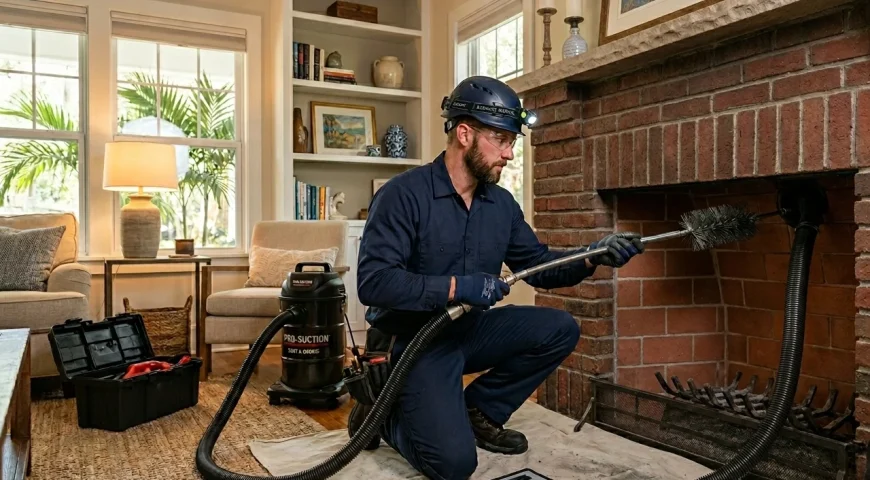
Every service begins with a detailed inspection. Our technicians examine the fireplace, damper, flue liner, smoke chamber, and exterior structure. We utilize specialized cameras to inspect internal surfaces that are otherwise inaccessible. This process identifies creosote levels, structural damage, blockages, and moisture intrusion points.
Debris and Creosote Removal
Using professional-grade brushes, vacuums, and chemical treatments, we remove all accumulated soot and creosote. For heavy buildup, we employ advanced techniques to break down glazed deposits. Our chimney cleaning services include treatment of the entire flue system, ensuring no hazardous residues remain.
Component Repair and Maintenance
During cleaning, we assess the condition of critical components. For instance, we inspect chimney caps, dampers, and flashing for damage. If repairs are needed, we provide recommendations and can schedule follow-up services. Additionally, we offer HVAC maintenance to ensure your entire home’s heating and ventilation systems function cohesively.
Final Safety Verification
After cleaning and any necessary repairs, we conduct final tests to verify proper draft and airflow. We also provide documentation of your chimney’s condition for insurance and warranty purposes. This thorough process directly addresses the concern: can a dirty chimney cause a house fire? By eliminating the fuel sources and restoring structural integrity, we effectively remove the risk.
How Often Should Central Florida Homeowners Clean Their Chimneys?
Frequency recommendations vary based on usage patterns and fuel types. However, general guidelines help you establish an appropriate maintenance schedule.
Annual Inspections for All Fireplaces
The National Fire Protection Association recommends annual chimney inspections for all fireplace systems, regardless of use frequency. This guideline exists because environmental factors, animal intrusion, and moisture damage can create hazards even in rarely used chimneys. Therefore, every Central Florida homeowner should schedule yearly professional evaluations.
Cleaning Frequency Based on Usage
If you burn wood regularly during cooler months, annual cleaning is typically necessary. For occasional use, cleaning every two years may suffice, provided the annual inspection reveals acceptable creosote levels. However, certain practices accelerate buildup. For example, burning unseasoned wood, restricting airflow during fires, or using artificial logs increases creosote production. Under these conditions, more frequent cleaning becomes essential.
In contrast, gas fireplaces require less frequent maintenance but still need periodic inspection. Venting systems can deteriorate, and debris accumulation remains possible. K&M Solutions offers specialized services for all fireplace types, ensuring comprehensive protection for your home.
Preventing Chimney Fires: Best Practices for Homeowners
While professional cleaning forms the foundation of chimney safety, your daily habits significantly influence fire risk. Implementing these best practices reduces creosote buildup and enhances overall safety.
Burn Only Seasoned Hardwood
Freshly cut wood contains high moisture content that produces excessive smoke and creosote when burned. Instead, use hardwoods, such as oak or maple, that have been seasoned for at least six months. These fuels burn hotter and cleaner, minimizing residue accumulation. Additionally, avoid burning treated lumber, cardboard, or trash in your fireplace, as these materials release toxic chemicals and create dangerous buildup.
Maintain Proper Airflow
Fires require adequate oxygen to burn completely. When you restrict airflow by closing glass doors or using dampers improperly, combustion becomes incomplete. This inefficiency produces more smoke and creosote. Therefore, ensure your fireplace receives sufficient air throughout the burning process. Moreover, keep your air duct cleaning schedule current, as overall ventilation system performance affects fireplace draft.
Install and Maintain Chimney Caps
A quality chimney cap prevents debris, animals, and rainwater from entering your flue. These protective devices are relatively inexpensive yet provide tremendous safety benefits. Ensure your cap remains secure and undamaged, particularly after severe weather events common in Central Florida.
Monitor Fire Temperatures
Very hot fires are not necessarily better. Excessively high temperatures can damage chimney liners and surrounding structures. Instead, maintain moderate, steady burns. Use a fireplace thermometer if available, and avoid overloading the firebox with fuel.
Never Leave Fires Unattended
This fundamental safety rule cannot be overstated. Always extinguish fires completely before leaving home or going to sleep. Furthermore, keep combustible materials, including furniture, curtains, and decorations, at safe distances from the fireplace opening.
The Connection Between Chimney Maintenance and Overall Home Safety
Chimney safety does not exist in isolation. It integrates with broader home maintenance concerns that K&M Solutions addresses comprehensively.
Indoor Air Quality Considerations
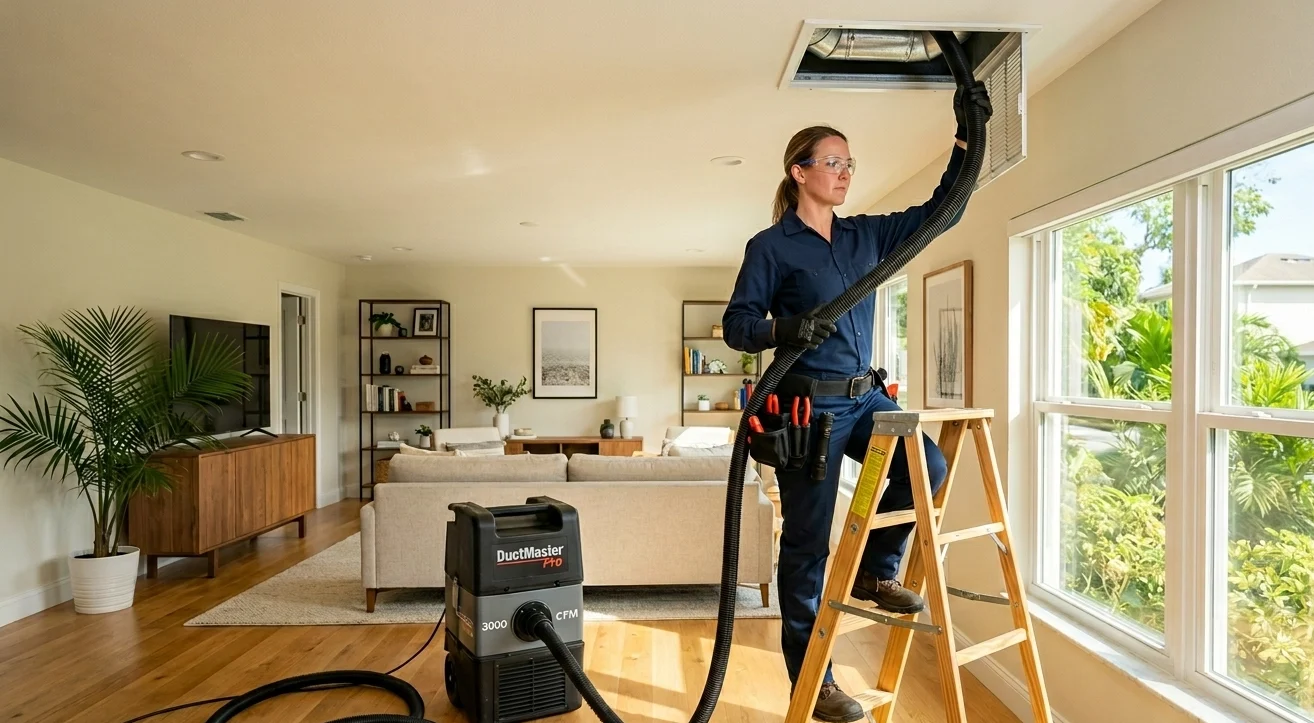
A dirty chimney affects more than fire risk. Poor ventilation allows smoke, particulates, and carbon monoxide to infiltrate your living spaces. These pollutants aggravate respiratory conditions and create immediate health dangers. Our air duct cleaning services complement chimney maintenance by ensuring your entire indoor air distribution system remains clean and functional.
Dryer Vent Fire Prevention
Interestingly, many homeowners who question “can a dirty chimney cause a house fire?” overlook similar risks from their dryer vents. Lint accumulation in dryer ducts creates fire hazards through identical mechanisms; restricted airflow and combustible fuel sources. K&M Solutions provides dryer vent cleaning to address this parallel danger. Combining chimney and dryer vent maintenance creates a holistic fire prevention strategy.
Furnace and Heating System Safety
Your fireplace is one component of a larger heating ecosystem. A well-maintained furnace cleaning program ensures your central heating system operates safely alongside your fireplace. Cross-contamination between systems is possible when ductwork and ventilation pathways interconnect. Therefore, comprehensive maintenance across all heating elements provides optimal protection.
Frequently Asked Questions About Chimney Fire Risks
Homeowners throughout Central Florida consistently ask specific questions regarding chimney safety. We have compiled the most common inquiries to provide quick, authoritative answers.
How quickly can a dirty chimney cause a house fire?
A chimney fire can develop rapidly under the right conditions. Once creosote ignites, flames spread through the flue within minutes. However, the buildup process takes weeks or months of regular use. Therefore, the danger accumulates gradually but manifests suddenly. Regular cleaning prevents the conditions that enable rapid ignition.
What does a chimney fire sound like?
Chimney fires often produce distinctive sounds that homeowners describe as rumbling, roaring, or freight-train-like noise. You may also notice loud cracking or popping as masonry cracks under extreme heat. If you hear these sounds while using your fireplace, evacuate immediately and call emergency services. Afterward, schedule professional inspection before using the fireplace again.
Can a dirty chimney cause a house fire even if I rarely use my fireplace?
Yes, infrequent use does not eliminate risk. Environmental debris, animal nesting, and moisture damage can create hazards independent of burning frequency. Additionally, even a few fires produce some creosote accumulation. Annual inspections remain essential regardless of usage patterns.
Is creosote the only fire risk in a dirty chimney?
While creosote is the primary concern, other factors contribute to fire risk. Structural damage, debris blockages, and deteriorated liners all create pathways for fire spread. Furthermore, accumulated soot itself is combustible, though less volatile than creosote. Comprehensive cleaning addresses all these elements.
How much does professional chimney cleaning cost in Central Florida?
Pricing varies based on chimney condition, accessibility, and required services. K&M Solutions provides free estimates for all chimney work. Generally, routine maintenance represents a modest investment compared to the catastrophic costs of a house fire or major structural repairs. We offer transparent pricing and service tiers to accommodate different needs and budgets.
What time of year is best for chimney cleaning in Central Florida?
Ideally, schedule cleaning in late spring or early summer after the burning season ends. This timing allows ample opportunity to address any damage before the next cool season arrives. However, we provide year-round service because safety concerns should never wait. If you suspect problems, contact us immediately regardless of season.
Can I clean my chimney myself to prevent fires?
While DIY chimney cleaning kits exist, professional service is strongly recommended. Proper cleaning requires specialized equipment, safety training, and the ability to assess structural conditions. Moreover, without proper inspection, you might miss critical damage that compromises safety. K&M Solutions technicians possess the expertise and tools to ensure thorough, safe maintenance.
What should I do if I suspect my chimney has already caused a small fire?
First, ensure the fire is completely extinguished and the area is safe. Next, do not use the fireplace until a professional inspection occurs. Contact K&M Solutions to schedule an emergency evaluation. We will assess structural integrity, identify damage extent, and recommend necessary repairs or cleaning before safe operation resumes.
Conclusion: Protect Your Central Florida Home with Professional Chimney Care
So, can a dirty chimney cause a house fire? Absolutely; and the evidence is clear and compelling. From creosote accumulation to structural deterioration, neglected chimneys present genuine dangers that no homeowner should ignore. In Central Florida’s unique climate, these risks are compounded by environmental factors that accelerate damage and create additional hazards.
Fortunately, prevention is straightforward and affordable. Regular professional chimney cleaning, combined with attentive maintenance and safe burning practices, virtually eliminates chimney fire risk. At K&M Solutions, we bring years of experience and specialized expertise to every Central Florida home we serve. Our comprehensive services, including air duct cleaning, dryer vent cleaning, furnace cleaning, and HVAC maintenance, create complete home safety solutions.
Do not wait for warning signs to appear. By then, damage may already exist. Instead, take proactive steps today to protect your family, property, and peace of mind. Contact K&M Solutions for your free chimney inspection and cleaning estimate. Let us help you enjoy the warmth and comfort of your fireplace with complete confidence in your home’s safety.