Have you noticed a constant layer of dust settling on your furniture just hours after cleaning? Are your allergy symptoms acting up even when windows stay closed? If so, you might be asking yourself: Can dirty air ducts cause dust buildup in your home? The answer is a resounding yes. In fact, contaminated ductwork serves as one of the primary culprits behind persistent household dust problems throughout Evansville, Indiana.
Your home’s air duct system functions as the respiratory system of your house. Consequently, when those pathways become clogged with dust, debris, and allergens, they continuously recirculate contaminated air into every room. Moreover, this creates a cycle where cleaning efforts feel futile because the source of dust keeps pumping out particles. According to the U.S. Environmental Protection Agency, while dirty air ducts are only one of many possible sources of particles in homes, substantial deposits of dust or debris that actually release into your living space warrant professional attention.
Understanding this connection helps homeowners recognize when professional intervention becomes necessary. In this comprehensive guide, we will explore exactly how dirty air ducts contribute to dust accumulation, identify warning signs your system needs attention, examine health implications for your family, and discuss proven solutions available through K&M Solutions air duct cleaning services. Furthermore, we will provide actionable tips for maintaining cleaner indoor air quality long-term.
Table of Contents
ToggleHow Dirty Air Ducts Cause Dust Buildup in Your Home
Understanding the mechanics behind dust circulation requires examining your HVAC system’s operation. Your heating, ventilation, and air conditioning unit pulls air from inside your home, conditions it, then pushes it back through a network of ducts. Therefore, when those ducts contain accumulated debris, they essentially function as conveyor belts distributing particles throughout your living spaces.
The Continuous Circulation Cycle
Dust accumulation within ductwork does not remain static. Instead, airflow constantly agitates settled particles, sending them airborne during every heating or cooling cycle. As a result, even rigorous cleaning routines cannot keep pace with the volume of debris being redistributed. Additionally, this circulation pattern means dust settles on surfaces within minutes of wiping them clean.
The problem compounds over time because new dust enters your home through normal activities, pets, and outdoor air infiltration. Meanwhile, existing duct contamination continues recirculating old debris. Consequently, homeowners experience frustration when surfaces never stay clean despite frequent dusting and vacuuming efforts.
Sources of Duct Contamination
Multiple factors contribute to dirty air ducts causing dust buildup in Evansville homes. First, Indiana’s seasonal changes bring varying pollen counts and outdoor particulates that enter ventilation systems. Second, normal household activities generate skin cells, fabric fibers, and cooking residues that eventually find their way into ductwork. Third, construction debris from home renovations or nearby development projects can infiltrate systems.
Furthermore, neglected maintenance allows these accumulations to grow exponentially. Without regular HVAC maintenance services, filters become saturated and bypass particles directly into duct networks. Similarly, small gaps or leaks in ductwork pull dust from attics, crawl spaces, or wall cavities, introducing additional contamination sources.
Warning Signs That Dirty Air Ducts Are Causing Dust Buildup
Recognizing early indicators helps homeowners address problems before they escalate. Therefore, watch for these common symptoms suggesting your ductwork requires professional attention.
Visible Dust Around Vents and Registers
One of the most obvious signs involves examining your supply and return vents. If you notice grayish dust accumulation on vent covers or surrounding wall areas, this indicates significant contamination within the connected ductwork. Moreover, dust streaks extending outward from vent edges suggest active airflow carrying particles into your rooms.
The EPA recommends having air ducts cleaned if they are visibly contaminated with substantial deposits of dust or debris, or if particles are actually being released into the home from supply registers.
Frequent Filter Clogging
Standard HVAC filters require replacement every one to three months under normal conditions. However, if you find yourself changing filters monthly because they appear gray and clogged, your ductwork likely contains excessive debris. Additionally, filters that collapse or become deformed indicate restricted airflow caused by underlying duct contamination.
Persistent Allergy Symptoms
When dirty air ducts cause dust buildup, they also circulate allergens including pollen, pet dander, mold spores, and dust mites. Consequently, family members may experience increased sneezing, coughing, itchy eyes, or respiratory irritation particularly when the HVAC system operates. Furthermore, symptoms often worsen at night when heating or cooling cycles run more frequently.
According to the Centers for Disease Control and Prevention, poor indoor air quality can cause stuffy noses, sore throats, coughing or wheezing, headaches, burning eyes, or skin rashes, with people who have asthma or allergies experiencing severe reactions.
Uneven Heating or Cooling
Dust accumulation restricts airflow through ductwork, creating pressure imbalances that affect temperature distribution. Therefore, rooms farthest from your HVAC unit may feel stuffy or fail to reach desired temperatures. Similarly, weak airflow from specific vents suggests blockages requiring professional air duct cleaning.
Unexplained Increases in Energy Bills
When ducts become clogged with debris, your HVAC system works harder to maintain thermostat settings. As a result, energy consumption rises despite consistent usage patterns. Additionally, this increased workload accelerates wear on system components, potentially leading to costly repairs or premature replacement needs.
Health Implications When Dirty Air Ducts Cause Dust Buildup
Beyond aesthetic concerns and cleaning frustrations, contaminated ductwork poses genuine health risks for Evansville residents. Understanding these implications emphasizes the importance of regular maintenance and professional cleaning services.
Respiratory Health Concerns
The Environmental Protection Agency identifies indoor air pollution as a significant health concern, noting that concentrations of some pollutants can be two to five times higher indoors than outdoors. When dirty air ducts cause dust buildup, they continuously recirculate these concentrated contaminants through living spaces.
Particulate matter suspended in air can penetrate deep into lung tissue, triggering inflammation and exacerbating conditions such as asthma or chronic obstructive pulmonary disease. Furthermore, prolonged exposure to high dust levels may contribute to respiratory infections and reduced immune function, particularly affecting children and elderly family members.
Allergen Amplification
Dust serves as a carrier medium for numerous allergens. Consequently, when ductwork contains accumulated debris, it essentially functions as a reservoir redistributing triggers throughout your home. Common allergens include dust mite feces, pet dander, pollen grains, and mold spores.
For individuals with existing allergies or sensitivities, this constant exposure makes symptom management nearly impossible. Moreover, continuous allergen exposure can sensitize previously unaffected individuals, creating new allergic responses over time. The CDC recommends using vacuum cleaners equipped with HEPA filters and wet or damp mopping rather than sweeping to control allergens. Professional furnace cleaning combined with duct sanitation addresses these concerns comprehensively.
Mold and Microbial Growth
Evansville’s humid climate creates ideal conditions for mold growth within contaminated ductwork. When dust accumulations combine with moisture from condensation or humidity infiltration, they provide nutrients supporting microbial colonies. Subsequently, these organisms release spores into airflow, potentially causing musty odors and health complications.
Certain mold species produce mycotoxins associated with neurological symptoms, immune suppression, and respiratory distress. Therefore, addressing dirty air ducts before mold establishes colonies protects both your home’s structural integrity and your family’s wellbeing. The EPA emphasizes that if you have insulated air ducts and the insulation gets wet or moldy, it cannot be effectively cleaned and should be removed and replaced.
Professional Solutions for Dust Problems Caused by Dirty Air Ducts
When DIY cleaning proves insufficient, professional intervention becomes necessary. K&M Solutions offers comprehensive services specifically designed to address dust accumulation originating from contaminated ductwork.
Comprehensive Air Duct Cleaning
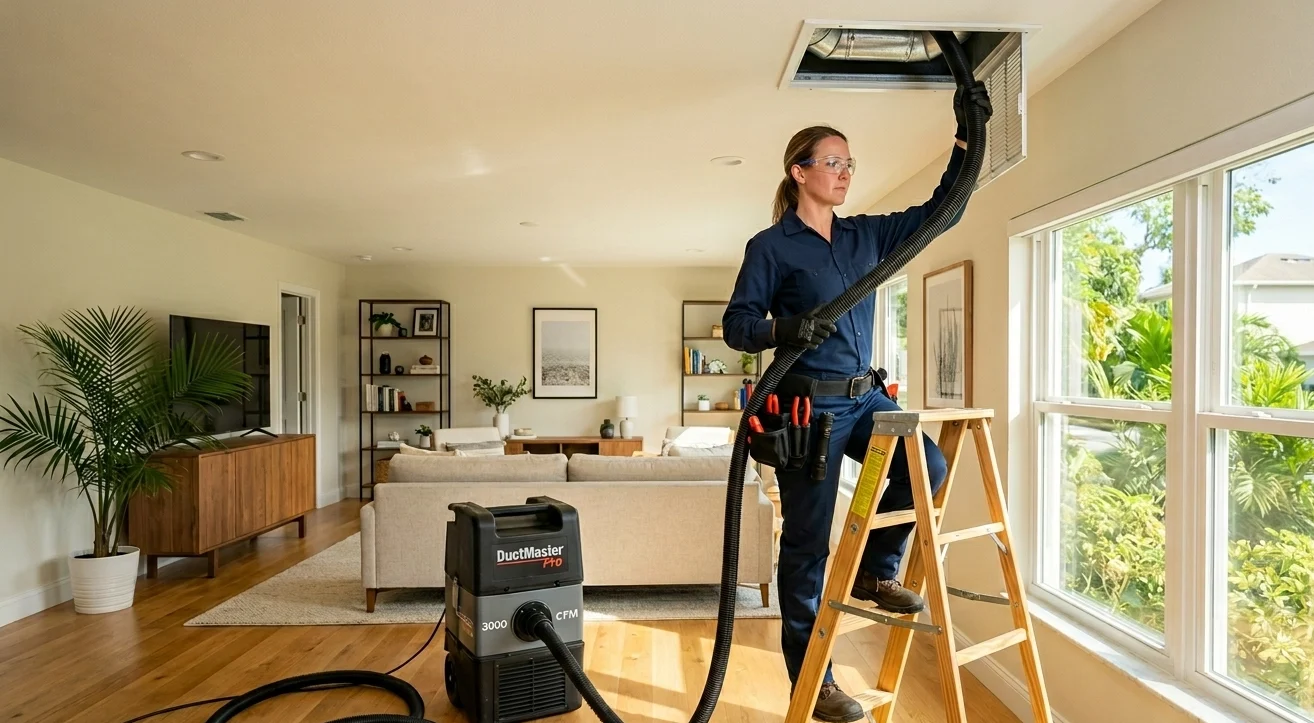
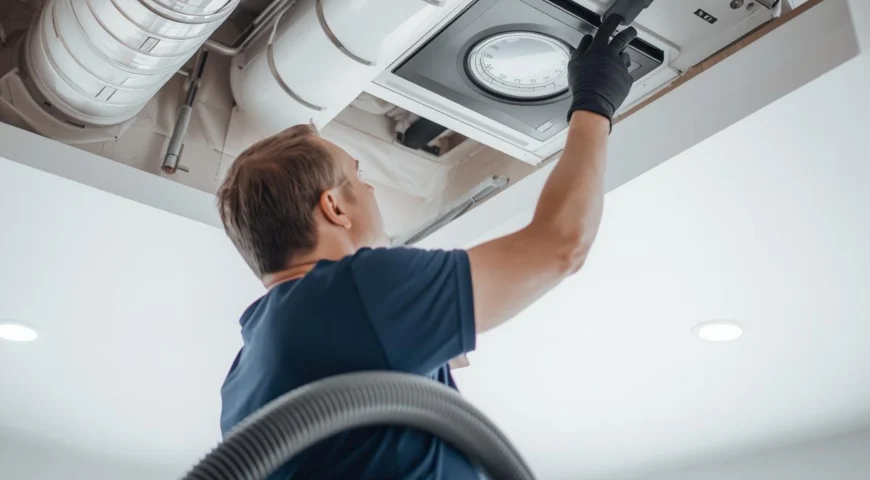
Our professional air duct cleaning service utilizes negative ion HEPA filtration technology to extract dust, debris, and allergens from your entire ventilation network. This process removes accumulated contamination rather than simply redistributing it, addressing the root cause of persistent dust problems.
The basic cleaning service targets every supply vent, ensuring thorough extraction of particulate matter. Additionally, we include complimentary inspection of return vents, furnaces, and air conditioning units to identify whether deeper cleaning becomes necessary.
Professional duct cleaning should follow industry standards to ensure effective results. The National Air Duct Cleaners Association (NADCA) establishes the ACR Standard, which specifies that air ducts shall be cleaned to remove all non-adhered substances and shall be capable of passing NADCA cleanliness verification tests. This standard requires mechanical agitation methods to dislodge particulate and vacuum collection devices to capture dislodged debris.
Deep Cleaning for Severe Contamination
For systems neglected beyond two years, our deep cleaning service provides comprehensive restoration. This includes cleaning every supply vent, return vent, plus complete furnace and air conditioner cleaning. Consequently, this thorough approach eliminates dust reservoirs throughout your entire HVAC system.
Deep cleaning proves particularly valuable when dirty air ducts have caused significant dust buildup over extended periods. Furthermore, this service restores system efficiency, potentially reducing energy costs while improving indoor air quality dramatically.
According to NADCA’s comprehensive guide, proper duct maintenance according to the ACR Standard ensures optimal indoor air quality through thorough inspection, HEPA vacuum cleaning, mold remediation when necessary, and regular filter replacement.
Non-Toxic Sanitation Options
Traditional duct cleaning chemicals sometimes leave residues that compromise air quality. Therefore, K&M Solutions offers non-toxic sanitation using environmentally-friendly products that eliminate bacteria and contaminants without introducing harmful substances. This approach ensures safe air quality for families with children, pets, or chemical sensitivities.
Our antibacterial disinfectant fog treatment penetrates deep into ductwork, eliminating odor-causing bacteria while leaving fresh, clean scents. Moreover, this sanitation step prevents rapid recontamination, extending the benefits of professional cleaning.
Related Services for Complete Home Health
Addressing dust problems often requires comprehensive approaches beyond ductwork alone. Consider complementing air duct cleaning with these additional services:
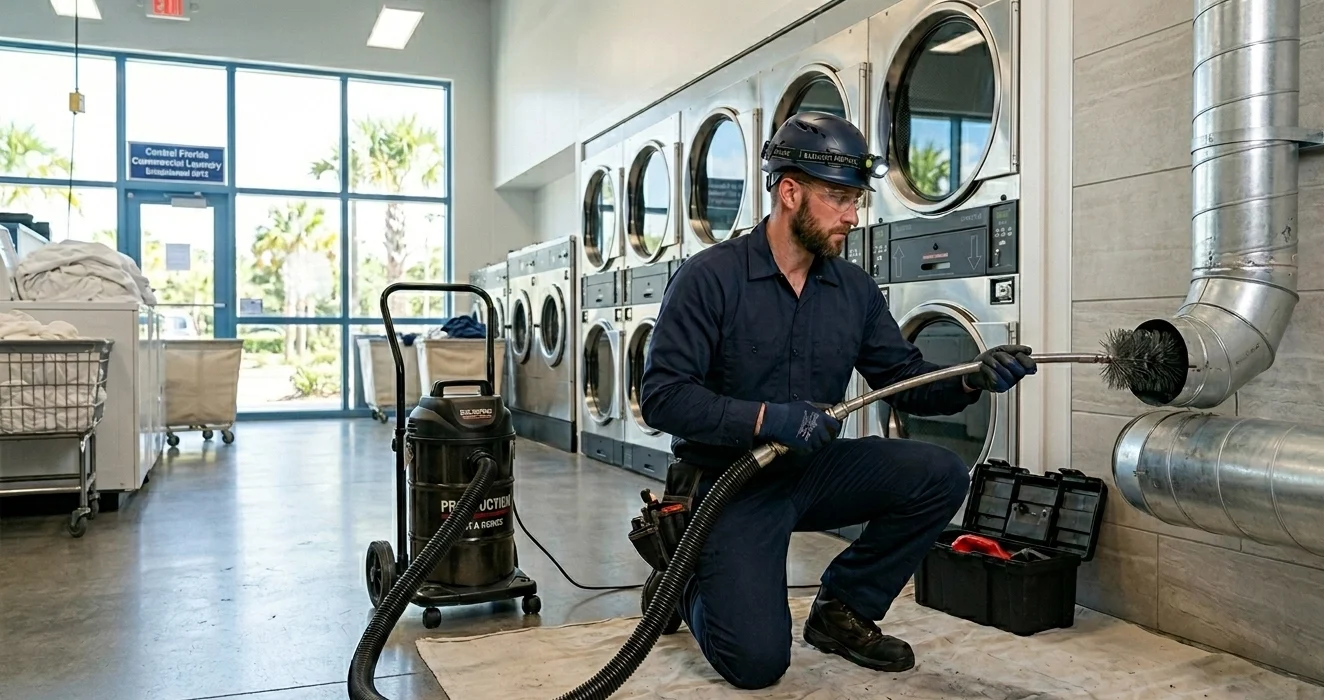
- Dryer Vent Cleaning: Lint accumulation in dryer vents creates fire hazards while reducing appliance efficiency. Professional cleaning removes these risks while improving drying performance.
- Chimney Cleaning: Soot and creosote buildup affects fireplace safety and indoor air quality. Regular maintenance prevents chimney fires while ensuring proper ventilation.
- HVAC Maintenance: Routine system check-ups prevent dust infiltration while optimizing performance. Our maintenance services include filter replacement and component inspection.
Preventing Future Dust Buildup After Professional Cleaning
Once professional services address dirty air ducts causing dust buildup, maintaining results requires ongoing attention. Implement these strategies to prolong cleaning benefits and protect indoor air quality.
Regular Filter Maintenance
Replace HVAC filters according to manufacturer recommendations, typically every one to three months. However, homes with pets, allergy sufferers, or high dust environments may require more frequent changes. Additionally, consider upgrading to high-efficiency filters rated MERV 11 or higher for superior particle capture.
The NADCA recommends educating clients on the importance of replacing HVAC filters regularly to prevent dust and contaminants from re-entering the system, along with recommending high-quality, efficient filters.
Humidity Control
Maintaining indoor humidity between 30-50 percent prevents dust from becoming airborne while inhibiting mold growth. Therefore, use dehumidifiers during humid Evansville summers and humidifiers during dry winter heating seasons. Furthermore, address plumbing leaks or moisture intrusion promptly to prevent ductwork contamination.
Sealing Ductwork
Professional duct sealing eliminates gaps and leaks that pull dust from unconditioned spaces. Consequently, this improvement enhances system efficiency while preventing new contamination sources. Moreover, sealed ducts maintain consistent temperatures and reduce energy consumption significantly.
According to NADCA standards, checking for and sealing any leaks in the ductwork prevents contaminants from entering the system and improves overall efficiency.
Regular Cleaning Routines
While professional duct cleaning addresses systemic dust sources, regular household cleaning removes particles before they enter ventilation systems. Vacuum carpets and upholstery weekly using HEPA-filtered equipment. Additionally, dust surfaces with microfiber cloths that capture rather than redistribute particles.
Annual Professional Inspections
Schedule yearly HVAC inspections to catch developing problems before they cause significant dust buildup. Early intervention prevents minor contamination from becoming major issues requiring extensive cleaning services. The NADCA ACR Standard specifies routine HVAC inspections to assess system component conditions and determine cleaning needs.
Frequently Asked Questions About Dirty Air Ducts and Dust Buildup
Homeowners throughout Evansville frequently ask specific questions regarding the relationship between ductwork contamination and household dust. Below, we address the most common inquiries to help you make informed decisions about your home’s air quality.
How quickly can dirty air ducts cause noticeable dust buildup in my home?
The timeline varies depending on contamination severity and HVAC usage patterns. However, most homeowners notice significant dust accumulation within weeks when ductwork contains substantial debris. Furthermore, seasonal changes often accelerate visible dust problems as systems cycle more frequently. If you find yourself dusting daily yet surfaces remain coated, professional inspection likely reveals dirty ducts as the primary culprit.
Can dirty air ducts cause dust buildup even if I change my filters regularly?
Unfortunately, yes. While regular filter changes help, they cannot address existing contamination within ductwork itself. Filters capture particles entering the system, but they do not clean debris already settled in ventilation pathways. Consequently, even with pristine filters, accumulated duct dust continues circulating until professional cleaning removes it. Additionally, damaged or improperly installed filters allow bypass airflow that introduces new contamination.
Is the dust from dirty air ducts actually harmful, or just unsightly?
Beyond aesthetic concerns, duct-derived dust poses genuine health risks. Research indicates indoor dust contains numerous concerning substances including pollen, mold spores, insect parts, pet dander, and chemical residues from household products. Moreover, fine particulate matter can penetrate deep into respiratory systems, triggering inflammation and exacerbating conditions like asthma. Therefore, addressing dirty air ducts protects both home appearance and family health.
How often should Evansville homeowners have their air ducts professionally cleaned?
The National Air Duct Cleaners Association recommends establishing a regular inspection schedule tailored to the specific needs of the building and its occupants. While the EPA notes that duct cleaning has never been shown to actually prevent health problems, they recommend considering cleaning if ducts are clogged with excessive amounts of dust and debris or if particles are actually released into the home. Most homes benefit from professional cleaning every three to five years, though households with pets, allergy sufferers, or recent renovations may require more frequent service.
Will cleaning my air ducts actually reduce how often I need to dust my furniture?
Absolutely. Professional duct cleaning eliminates the continuous recirculation of settled dust that makes surface cleaning feel futile. Consequently, most homeowners report dusting frequency decreases by 50% or more following thorough duct cleaning. Furthermore, less airborne dust means cleaner air for breathing and reduced allergen exposure for sensitive individuals.
Can I clean my air ducts myself to solve dust buildup problems?
While homeowners can clean visible vent covers and registers, DIY methods cannot address contamination deep within ductwork. Professional equipment including negative air machines and rotary brushes reach areas inaccessible to household tools. Moreover, improper cleaning attempts may damage ductwork or dislodge debris without proper extraction, temporarily worsening air quality. Therefore, professional service remains the most effective solution for dirty air ducts causing dust buildup.
What is the connection between dirty air ducts and my family’s allergy symptoms?
The relationship proves direct and significant. When dirty air ducts cause dust buildup, they function as distribution networks for allergens throughout your home. Each heating or cooling cycle forces air past accumulated pollen, pet dander, dust mites, and mold spores, carrying these triggers into every room. Consequently, allergy sufferers experience constant exposure regardless of outdoor pollen counts or cleaning efforts. Professional duct cleaning removes these allergen reservoirs, often providing dramatic symptom relief.
Conclusion: Taking Action Against Dust Buildup From Dirty Air Ducts
Persistent household dust creates frustration, increases cleaning burdens, and potentially threatens family health. Fortunately, understanding that dirty air ducts cause dust buildup empowers homeowners to address root causes rather than fighting symptoms endlessly.
The evidence clearly demonstrates that contaminated ductwork serves as a primary source of recurring dust problems throughout Evansville homes. From continuous circulation cycles to allergen amplification, neglected ventilation systems compromise both cleanliness and wellbeing. However, professional solutions from K&M Solutions provide effective remediation.
Our comprehensive air duct cleaning services eliminate accumulated debris using advanced HEPA filtration technology and non-toxic sanitation methods. Additionally, our deep cleaning options address severe contamination while related services including dryer vent cleaning, chimney maintenance, and HVAC servicing ensure complete home health protection.
Do not allow dirty air ducts to continue causing dust buildup in your home. Instead, take decisive action today. Contact K&M Solutions for your free estimate and discover how professional duct cleaning transforms your indoor environment. Your family deserves clean, healthy air, and our experienced technicians deliver results that last.
Call us now or visit our contact page to schedule your consultation. Furthermore, explore our about us section to learn why Evansville homeowners trust K&M Solutions for all their home maintenance needs. Breathe easier knowing your home’s air quality rests in capable hands.